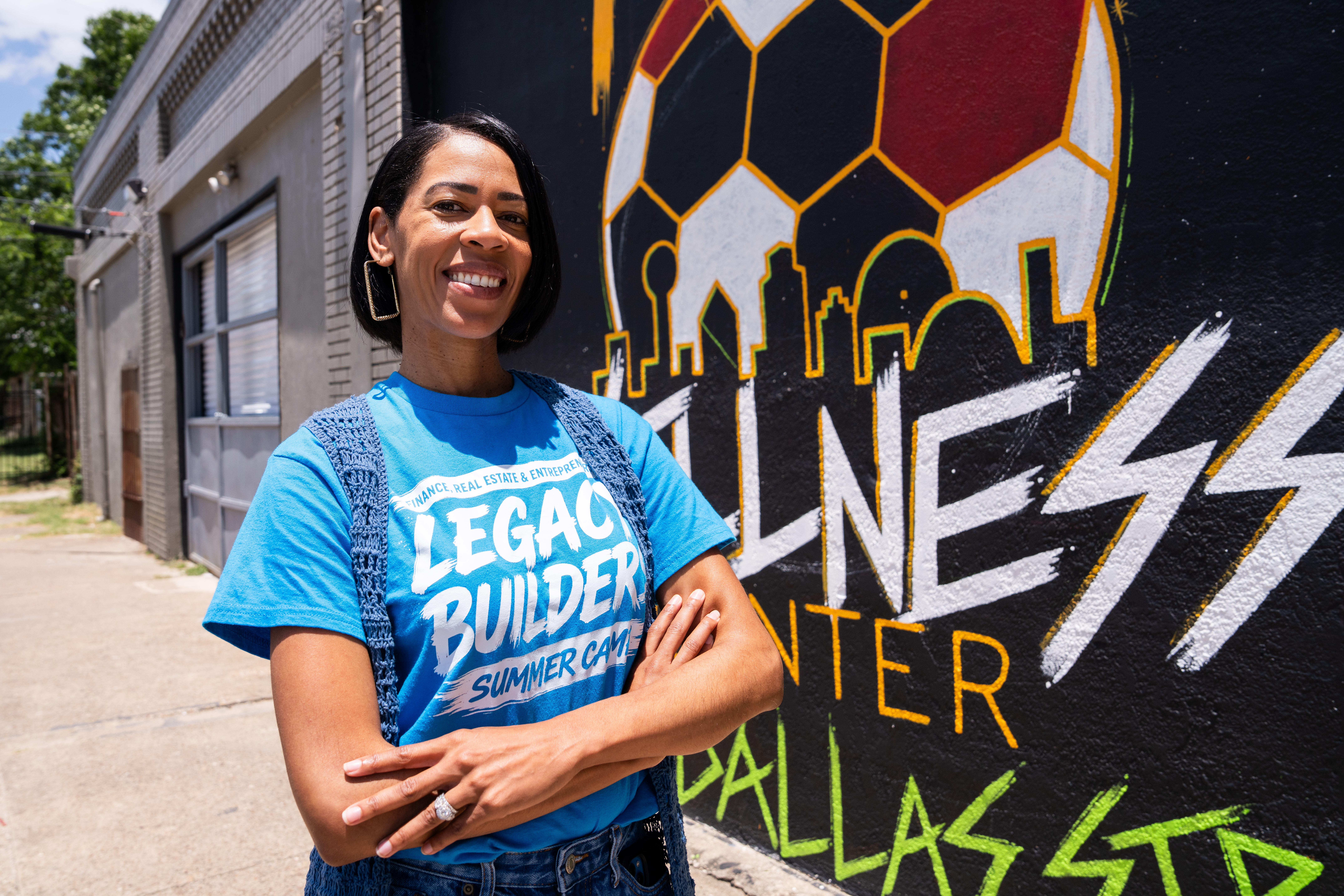
Food apartheid and the fight for local grocery stores in South Dallas

Newsletter
This content originally was a newsletter Dallas Free Press emailed to insiders. To become one, sign up here for free.
A Dallas Free Press story prompted Freda Robinson to reach out to us with questions.
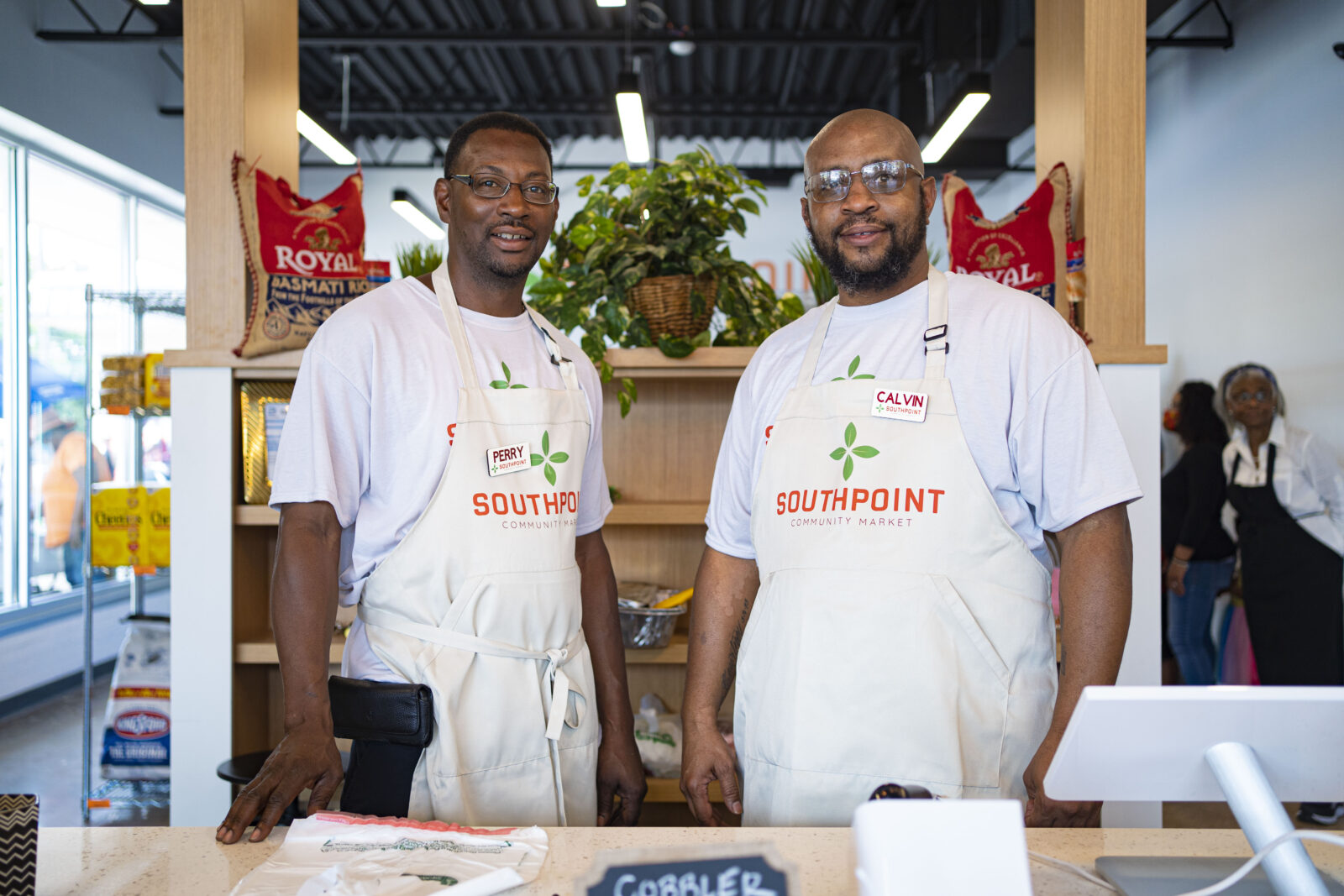
The story she read, by Sujata Dand, profiled Southpoint Community Market, a new nonprofit grocery store in South Dallas. Cornerstone Community Enterprises, an arm of Cornerstone Baptist Church, opened the store in June, and when we ran into Cornerstone Pastor Chris Simmons five months later at the Forest Theater reveal, he told us the store is now profitable.
(That could be because of Southpoint’s hilarious Instagram Reels, encouraging neighbors to shop their store instead of Fiesta or Save-a-Lot a few blocks down MLK Boulevard. Definitely worth a follow.)
When Robinson spoke with Dand, she asked, “Why can’t we get something like this? Why can’t we get a neighborhood store? This is embarrassing to me.”
The question prompted Dand to look into what happened with the Save-U-More grocery store in the southern Dallas neighborhood of Highland Hills, where Robinson grew up. It opened in 2016 with the help of nearly $3 million from the City of Dallas but has sat vacant for almost a year.
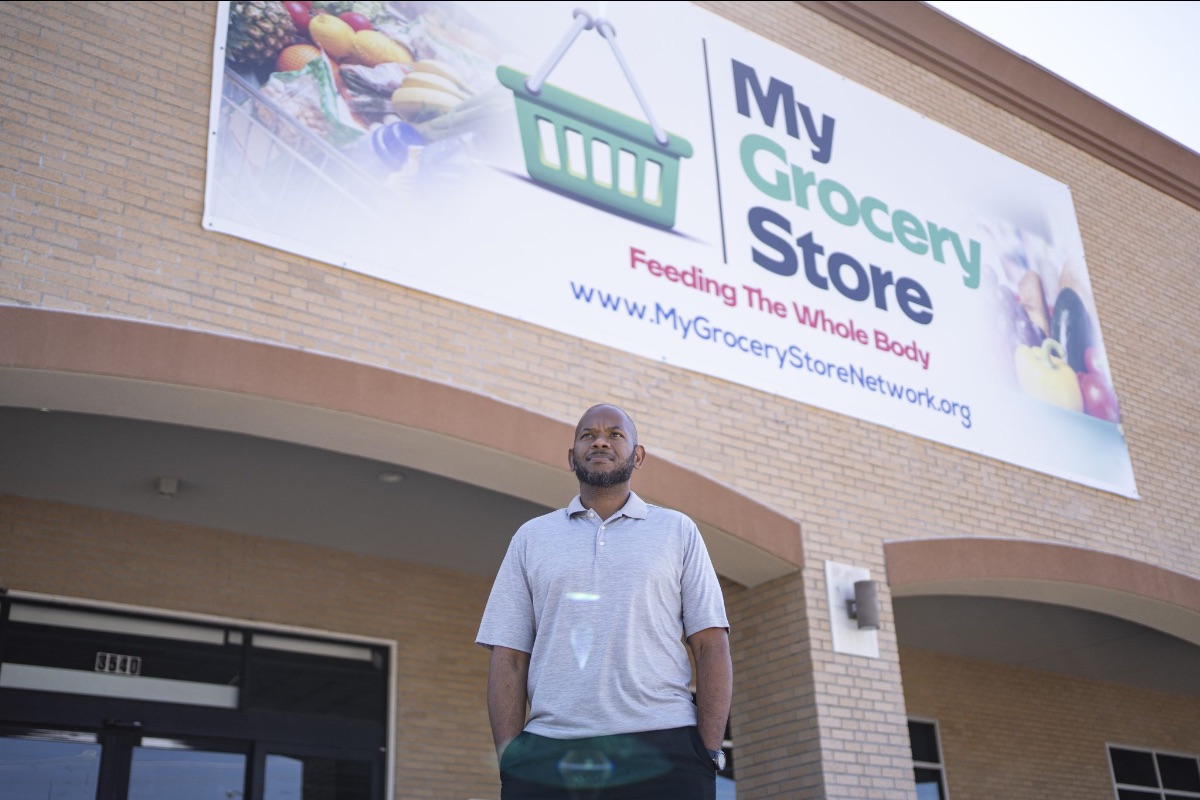
The Save-U-More story is the latest in our ongoing food apartheid series, which began earlier this year as a Solutions Journalism project with the Dallas Morning News.
So far, we’ve looked at:
- What community gardens bring to the mix (and where they fall short), including the prospect of a gardener-in-residence for a longtime community garden in Dolphin Heights;
- How nonprofits are getting more creative with food distribution and food bank models;
- A nonprofit grocery store in Waco that Cornerstone used as a model for its own concept;
- How the MLK Food Park came about, and what’s keeping Dallas from having a food truck scene like Austin’s;
- What the State Fair of Texas is doing with its urban farm to try to remedy past wrongs to the South Dallas neighborhood, plus — our most read story of the year — how a parking lot symbolizes the State Fair’s racist history. (Not to be confused with D Magazine’s subsequent State Fair parking lot story, which is well worth the read.)
We’ll continue looking at food apartheid in 2022 because, as you may have surmised, the problem is far from solved. The question Robinson asks — “Why can’t we get a neighborhood store?” — is one we continue to hear from neighbors in South Dallas, West Dallas and beyond.
Share This Story, Choose Your Platform!

Keri Mitchell has spent 20+ years as a community journalist, including 15 years dedicated to community and civic journalism at Dallas’ Advocate magazines. She launched Dallas Free Press in early 2020 with the belief that all neighborhoods deserve reporting and storytelling that values their community and holds leaders accountable.
Mitchell says she is energized by “knowing our work is making an impact — listening to people, telling their stories with strong narratives paired with compelling data that leads to change. I also love spending time in our neighborhoods and with our neighbors, learning from them and working to determine how journalism can be part of the solution to their challenges.”
Mitchell is proud to be the winner of multiple awards during her journalism career including: Finalist in Magazine Feature Reporting (2018) and Finalist in Magazine Investigative Reporting (2017) from Hugh Aynesworth Excellence in Journalism, Best Feature Story (2011) from Texas Community Newspaper Association and Best Magazine Feature (2011) from Dallas Bar Association Philbin Awards.
Areas of Expertise:
local government, education, civic issues, investigative and enterprise reporting
Location Expertise:
Dallas, Texas
Official Title:
Founder + executive director
Email Address:
keri@dallasfreepress.com