What it took to bring the MLK Wellness Center to life

News Based on facts, either observed and verified directly by the reporter, or reported and verified from knowledgeable sources.
News Article Article pages that do not meet specifications for other Trust Project Type of Work labels and also do not fit within the general news category.
Here’s the gist:
- The MLK Wellness Center is now open in South Dallas, offering healthy food, fitness, mental health services and other community resources across the street from the “Great” James Madison High School.
- Developer Ferrell Fellows first expected the project to take about 18 months, but it stretched to nearly five years because of permitting delays, infrastructure issues, rising construction costs, copper theft, vandalism and other setbacks.
- The project’s cost grew from an estimated $1.2 million to nearly $1.6 million, requiring a mix of community investment, public funding, bank financing and personal investment from Fellows and her husband.
- Fellows and other community developers, such as James Brown of Dallas City Homes and Maggie Parker of Innovan Neighborhoods, say the project shows how difficult it can be to build in historically underinvested neighborhoods where aging infrastructure and limited upfront capital can delay or derail projects.
- Now that the center is open, Fellows says the focus is on building partnerships and making wellness services more accessible to South Dallas residents.
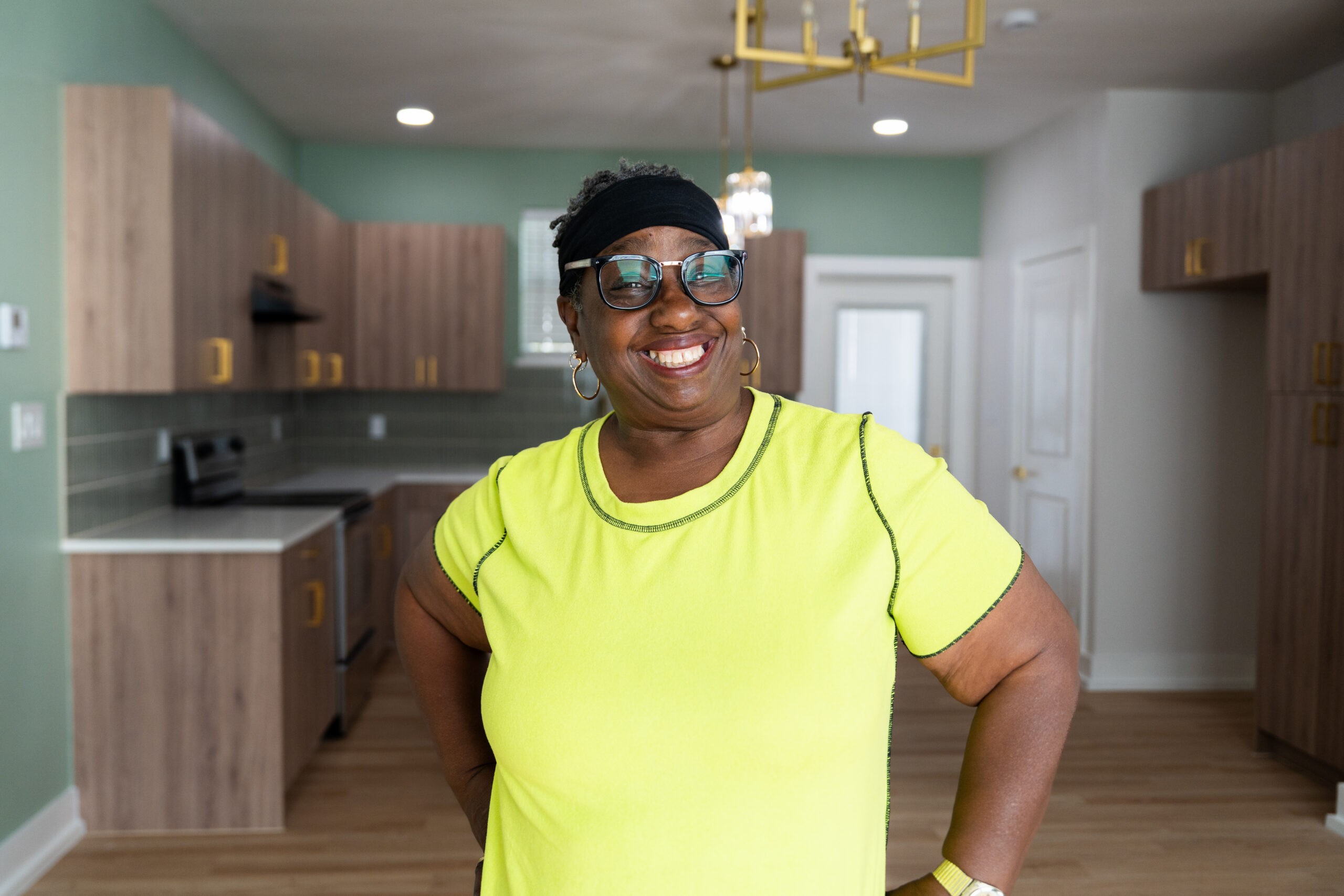
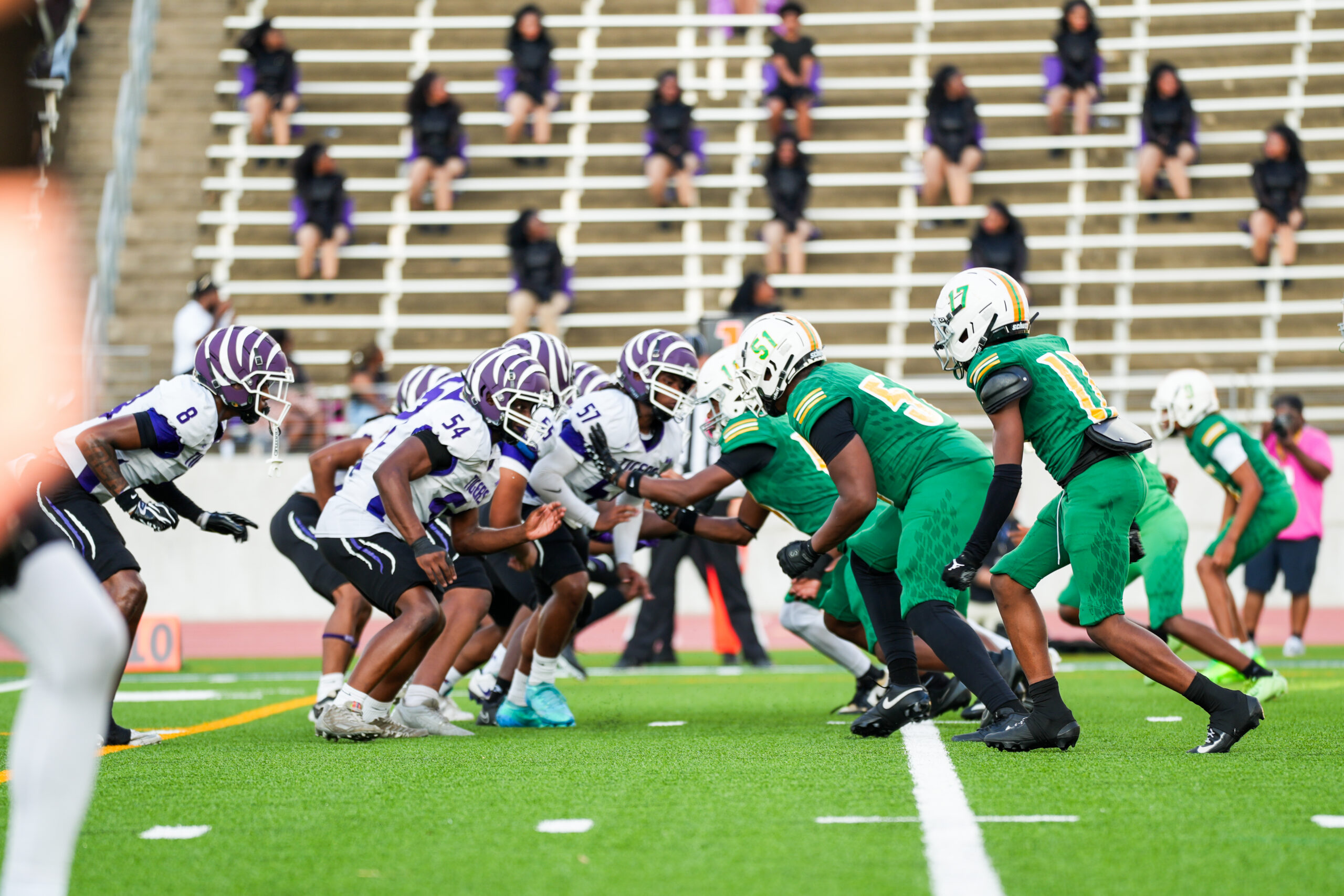
Kingdom Café’s first customer of the day was in line at 7:30 a.m. The 16-year-old, a “Great” James Madison High School student, told Ferrell Fellows he had nowhere to go before school started at 9:15.
By 9 a.m., Fellows says about 30 students had come into the café, located inside the newly opened MLK Wellness Center across the street from Madison. Many of them would otherwise be waiting outside before the school day begins.
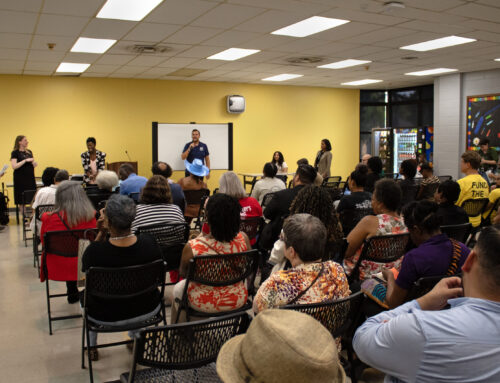
“Most of them don’t have any money, but we give them a safe place to go before and after school,” Fellows told neighbors during August’s Pointe South Business Group meeting.
The opening marks the realization of a vision developer Ferrell Fellows first shared with Dallas Free Press in 2023: creating a neighborhood hub where her fellow South Dallas residents can access healthy food, fitness, mental health services and other resources designed to improve well-being.
Back then, Fellows predicted opening the MLK Wellness Center would take about 18 months. Instead, the project stretched more than four years as she navigated permitting delays, aging and incompatible infrastructure, rising construction costs and other hurdles that reveal what it takes to bring a community development project to life in South Dallas.
“We learned a great deal about successful commercial real estate developments in the City of Dallas, and what sort of resilience and stick-to-itiveness you need — the grit you need — to be able to actually achieve your goals,” Fellows says.
Why an 18-month project took almost five years
One of the project’s biggest setbacks came in 2023, when a ransomware attack on the City of Dallas disrupted the permitting process shortly after the wellness center’s architectural plans had been submitted. The city’s permitting system remained offline for months, forcing Fellows to restart portions of the application process after records were lost.
Additional delays followed. Supply chain shortages required the project team to redesign its electrical plans after originally specified equipment became unavailable. Oncor also had to install new utility poles because the existing electrical infrastructure lacked the capacity to support a commercial building — despite that the structure has been in place since at least 1985, according to City of Dallas permitting records.
Then came another surprise, beneath the property. As crews prepared to connect the building to the city’s sewer system, they discovered inaccurate utility maps and sewer lines that were more than 100 years old, requiring months of investigation and costly retrofits before construction could move forward.
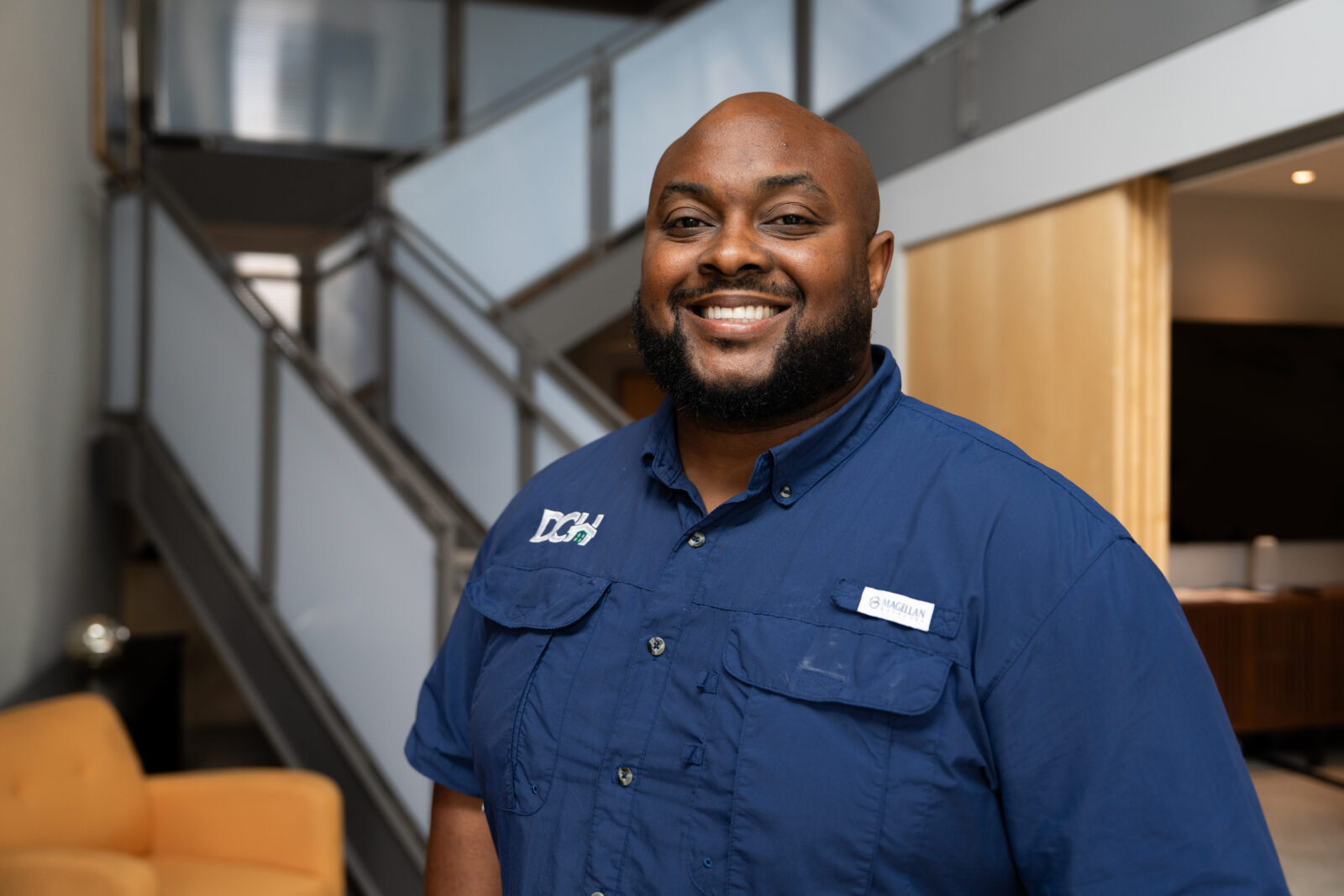
Like Fellows, Jason Brown is also a South Dallas resident and runs a community development firm, Dallas City Homes. Brown describes Fellows’ experience as a “perfect storm,” but says that underlying infrastructure problems are common when redeveloping older properties.
“Sewer is one thing that comes up a lot,” Brown says. “I think the problem is that you don’t get clear direction or information around how to solve [infrastructure] problems when they arise.”
Brown encountered similar situations in his own work. During the development of Armonía, a mixed-use project in West Dallas, city maps appeared to show a sewer line reaching the property. The project team later discovered that the line was across the street, requiring them to tunnel beneath the road to connect to it.
When a new development requires extending or upgrading infrastructure, Brown says that it frequently falls on the developer. “It makes it difficult to anticipate a project’s true cost before construction begins.”
Challenges extended beyond infrastructure. Fellows says the site experienced repeated copper thefts, vandalism and even gunfire while the building was under construction, prompting additional partnership with the Dallas Police Department.
These incidents were not limited to the wellness center. Through Kingdom Legacy, Fellows’ South Dallas-based real estate company, she also owns an apartment complex around the corner at Meadow and South Boulevard, and operates the organization’s headquarters further down the street. The properties are part of her broader effort to redevelop spaces along Martin Luther King Jr. Boulevard while preserving housing and creating community-serving places in South Dallas.
“I think development drives out darkness,” Fellows says. “When you’re trying to invest millions of dollars into a community, then you have more visibility. You have new people coming in, contractors, you have the City of Dallas now paying attention because they’re investing in that particular area.”
Fellows says police increased patrols around the project, and City officials worked alongside organizers throughout construction. By the time the center opened, she says, years of relationship-building with residents, neighborhood organizations and City partners had helped create an environment where the project could thrive.
Funding a ‘community development’ project
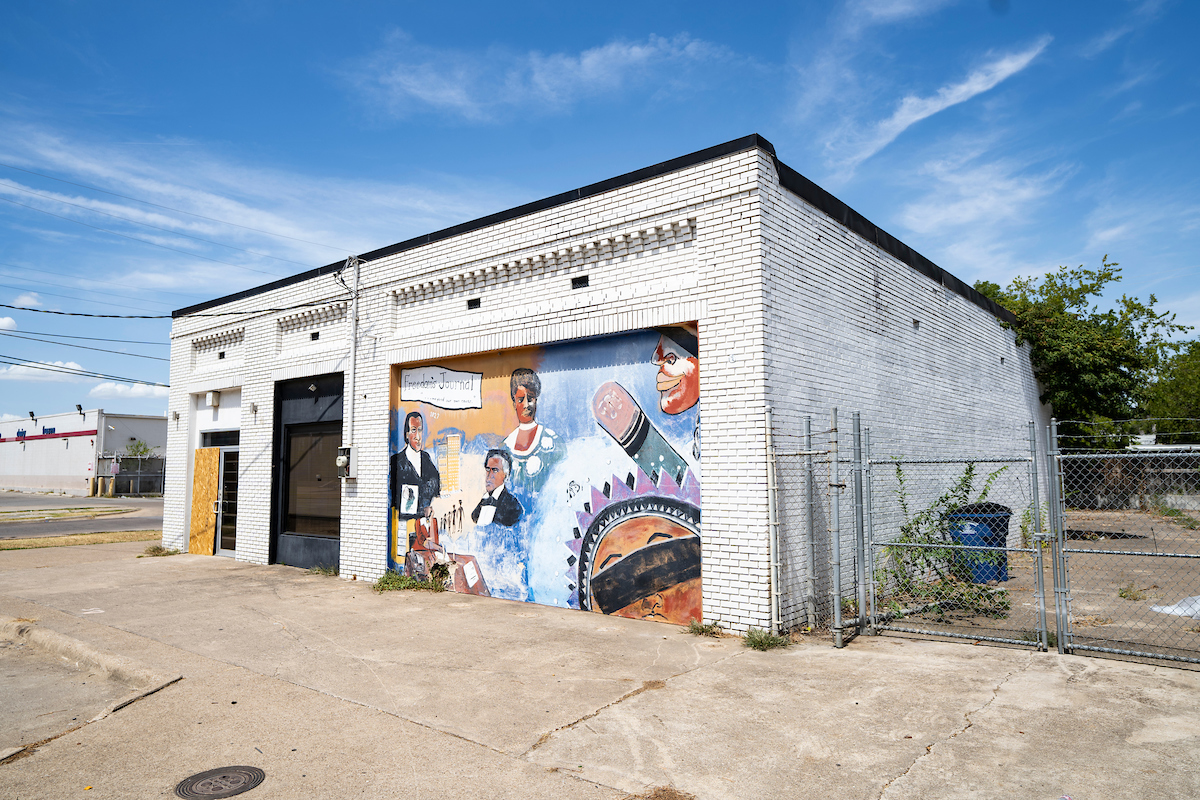
The building carries its own South Dallas history. Since 1990, the building had been home to the Dallas Weekly, a frequent collaborator with Dallas Free Press. The late James A. Washington, publisher of the Weekly from 1985 to 2018, sold the building to his wife, Janis L. Ware, publisher of The Atlanta Voice, in 2004, and she sold it to Fellows in late 2021.
After the purchase, the setbacks Fellows encountered not only extended the project’s original timeline but also increased its cost from an estimated $1.2 million to nearly $1.6 million.
Keeping the project alive required an uncommon mix of community investment, public financing and personal sacrifice, Fellows says.
“We were initially completely self-funded from 11 different community members who put their capital together to believe in this project,” she says. The group — including parents, retirees and nearby residents — committed the initial $180,000 needed to purchase the building in less than an hour.
For Fellows, that early support reflected a broader philosophy about who should benefit from neighborhood investment.
“Rarely does anyone ever get to actually become an owner and investor in development in their own community,” says the South Boulevard/Park Row resident. “That was very important to me … to have what we call equitable development, where it’s actually owned and supported by people from the local community.”
The project later secured financing through Trinity Capital Bank, along with a $350,000 City of Dallas loan and a $100,000 reimbursable grant through the South Dallas/Fair Park Opportunity Fund. Fellows said those types of gap funding helped make the project financially feasible in an area where traditional financing can be difficult to obtain.
“Having that gap funding is what allows you to be able to secure outside funding,” she says.
Fellows also credits the City of Dallas’ Office of Economic Development for helping the project navigate years of setbacks, saying staff were “very supportive, engaging and understanding as we navigated these various challenges that could have stopped our project.
What it requires to be a ‘community developer’
Even with community investment and public support, the project’s rising costs required additional personal investment.
“Because I had such an intention and vision, I didn’t give up, even though it felt like it would never happen,” Fellows says. “My husband and I invested everything that we had personally into this project, so we’re fully committed.”
Maggie Parker of Innovan Neighborhoods recognizes that commitment. She mentored Fellows and Brown as part of Innovan’s inaugural Community Developers Roundtable from September 2022 to May 2023.
“When we’re talking about building and developing in the southern sector, you kind of have to have a heart for it,” Parker says. “You’re going to have more hurdles.”
Deciding to develop in southern Dallas requires more than a project that makes financial sense. The return on investment, or ROI, can’t just be profits. Parker says that in addition to partnerships with the City and Dallas County, she also looks to neighborhood plans to understand what residents say they want.
“The more that a neighborhood has a community plan already, then that helps developers, too, to say, hey, this is what you already wanted,” Parker says. “Sometimes the City initiates those, sometimes the neighborhoods initiate those.”
Carrying out these plans can be difficult in areas that have decades of underinvestment and missing or poorly documented infrastructure. Brown says unexpected costs and delays can be especially consequential for community developers, who often lack the upfront capital available to larger firms.
“Nine times out of 10, we have one loan that has to do 10 different things, and they all have to line up perfectly,” Brown says. “That’s what makes it tricky. One delay can trigger a mountain of things.”
MLK Wellness Center: Now open
Years after construction began, the focus has shifted from building the center to filling it with programs designed to improve health and expand opportunity in South Dallas.
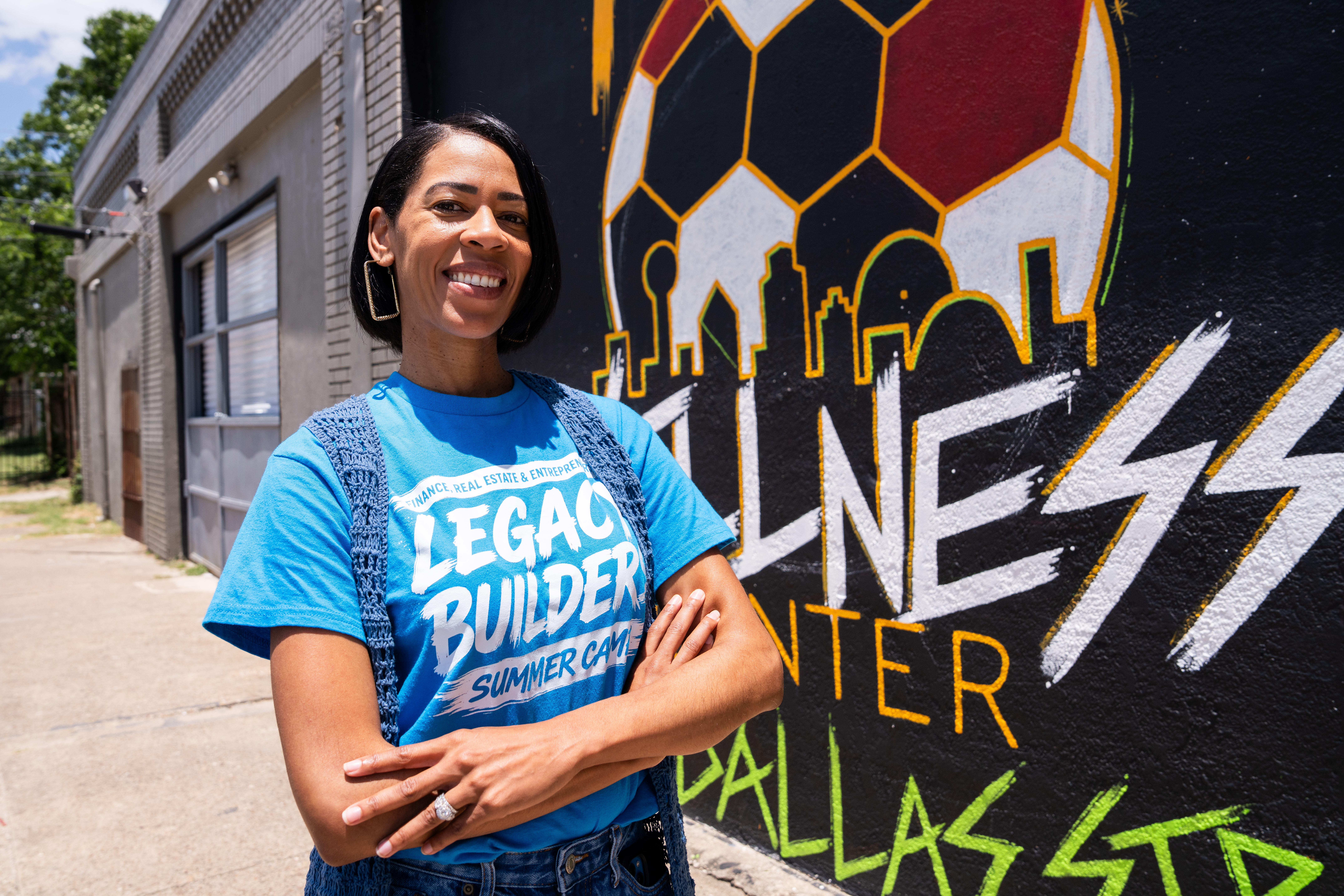
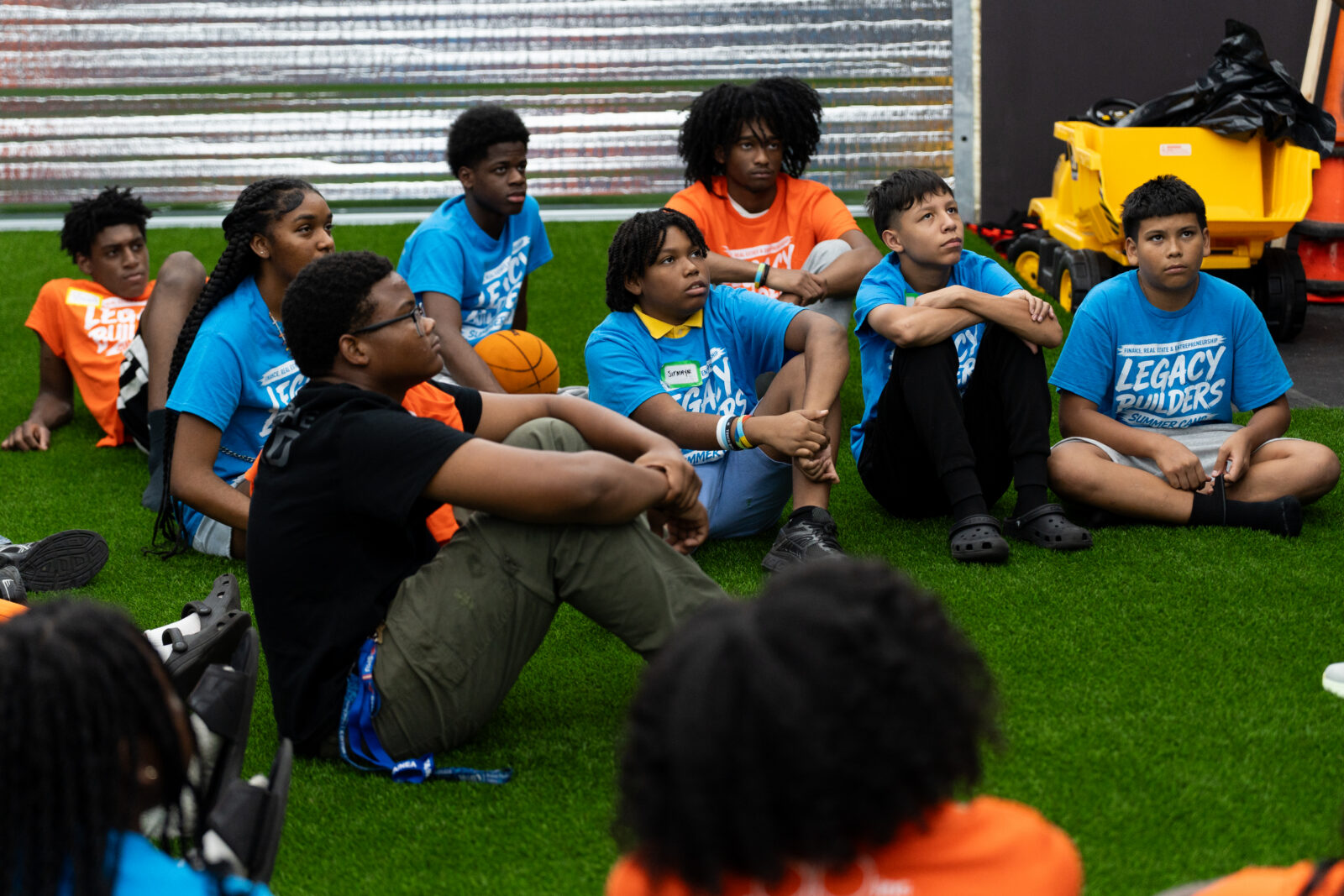
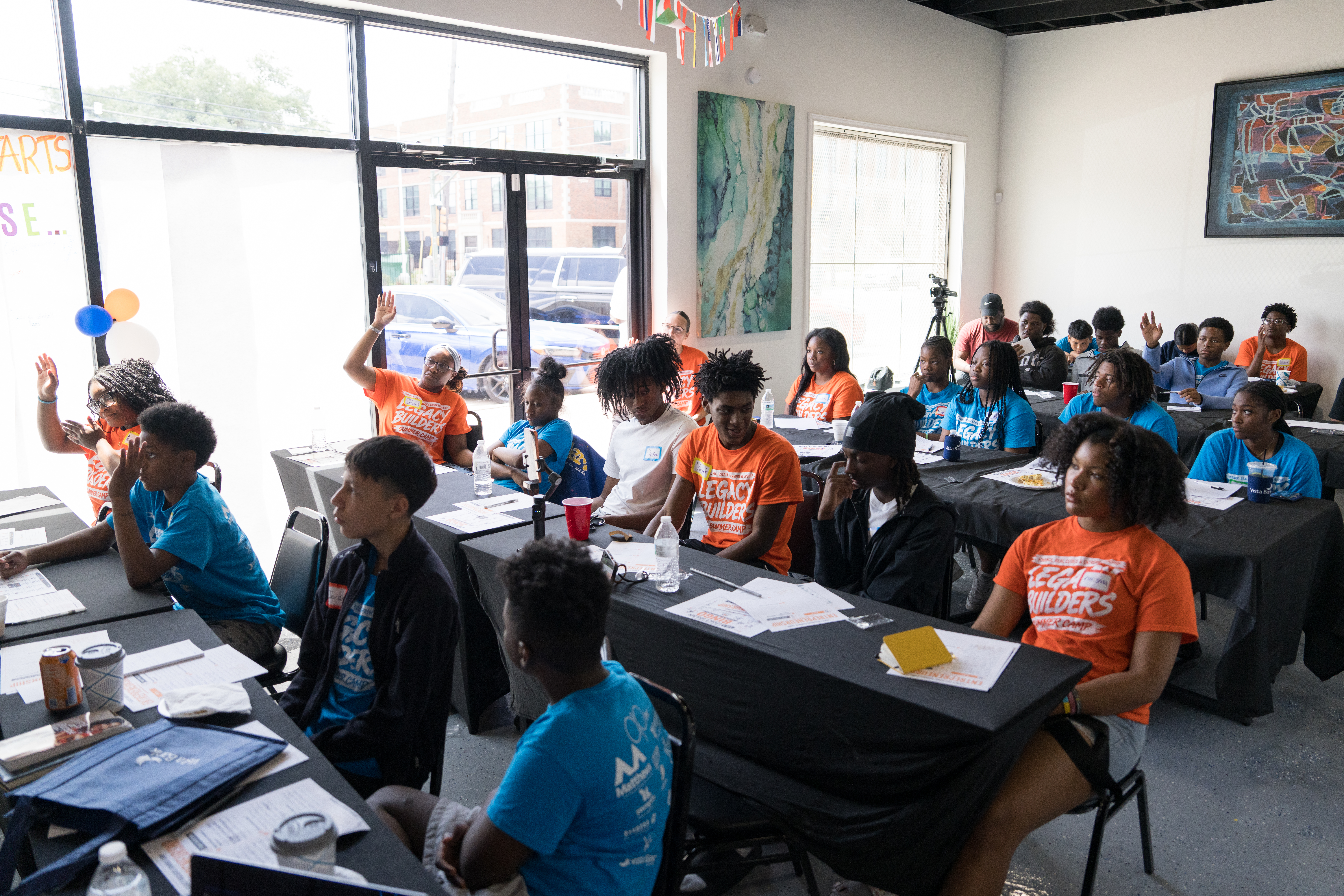
The wellness center now houses Kingdom Café, G3 health club and Gifted Souls, a mental health nonprofit that provides addiction counseling, daily meals, and connections to housing and other community resources. This past summer, the Legacy Builders Youth Camp introduced children and teens to financial literacy, entrepreneurship, commercial real estate and careers they may not otherwise encounter.
The center is opening among broader investment and redevelopment along Martin Luther King Jr. Boulevard, where longtime businesses have endured for decades, new murals celebrate South Dallas’ black history and resilience, and nonprofit redevelopment efforts are focused on housing and entrepreneurship. In parallel to that, nearby plans for the area around the MLK DART station and the role of major landowners along the corridor could shape what comes next.
Those changes raise a question neighbors often ask when new investment comes to historic neighborhoods: Is this happening for us, or to us?
Inside the wellness center, that question has shaped what services are offered. Earlier plans included Kingdom Sandwich Café by Wendy Cross, and Kadosh Coffee Shop by Stephanie Sosa — two purpose-driven businesses that hoped to train and hire young people who had aged out of the foster care system.
Fellows says they were committed for a long time, but the long construction process, changing economy, and safety concerts around the site made the vision harder for them to hold onto. Sosa conducted market research, visiting multiple coffee shops. Many of them advised her not to open a coffee shop in South Dallas.
“There were a lot of naysayers telling them that it wouldn’t work, that people in this community don’t have money, and Black people don’t drink coffee,” Fellows says. “I just had to continue to believe and encourage my business operators to believe even when outsiders look down upon this community.”
Eventually, the original tenants moved on. But when Tia Ross, the owner of the new Kingdom Café, walked through the unfinished building, Fellows says Ross saw the potential, calling both the location and the layout of the site “perfect.”
“She just saw it with the eyes of a visionary. I didn’t have to sell it to her,” Fellows says.
Brown says the wellness center’s completion symbolizes South Dallas’ potential for additional investment that benefits and includes neighbors.
“South Dallas is more prime for development,” Brown explains. Compared with other parts of southern Dallas, he believes South Dallas proper has fewer physical barriers, such as steep terrain or tree-preservation requirements. “I think the biggest thing in South Dallas is just understanding it.”
Brown says a site is considered “shovel-ready” when everything needed to develop it is already in place, which is often not the case in South Dallas. When developments are delayed or never completed, he says residents are left to contend with “constant blight” and “an overall lack of public trust.”
When developers from the community can successfully complete projects such as the MLK Wellness Center, despite those barriers, they demonstrate what is possible when community investment, public financing and City support align, Brown says.
Looking ahead, Fellows says the center plans to host a grand opening celebration and a gala supporting the fitness center, and build partnerships that make wellness services more accessible to residents. Fellows said seeing the community finally embrace the center has made the journey worthwhile.
“By the time we opened, we were received with such celebration and joy that it made the time that it took worth it,” she says.
Share This Story, Choose Your Platform!

Jennie is a first-generation journalist, educator, and community builder passionate about equitable access to information and storytelling. Her career spans classrooms and newsrooms: she began as a dual-language teacher in Dallas ISD through Teach for America and later led citywide journalism initiatives with the Dallas Media Collaborative. She has also mentored emerging journalists and led youth programs that blend media literacy with life skills. At Dallas Free Press, she oversees content strategy and partnerships that center community voices and make civic systems easier to navigate.