The 6-year journey to build West Dallas’ new mixed-income apartments

News Based on facts, either observed and verified directly by the reporter, or reported and verified from knowledgeable sources.

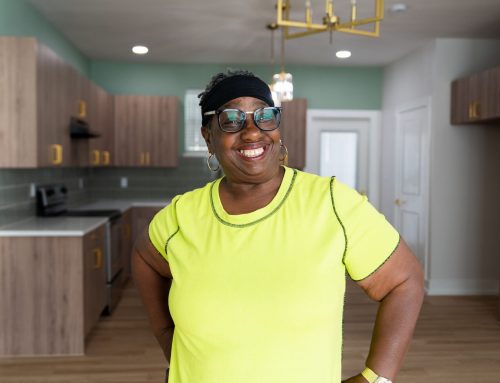
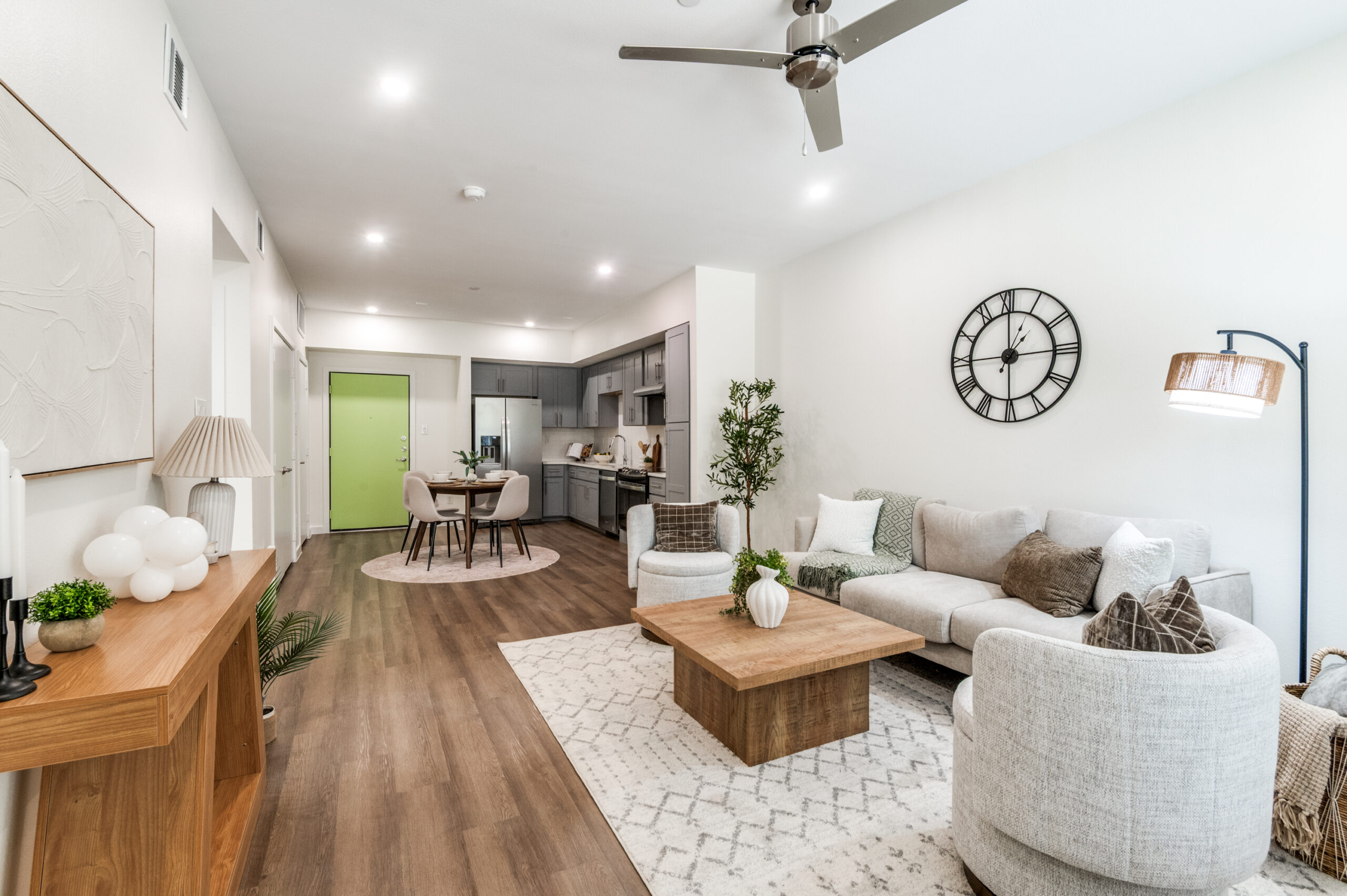
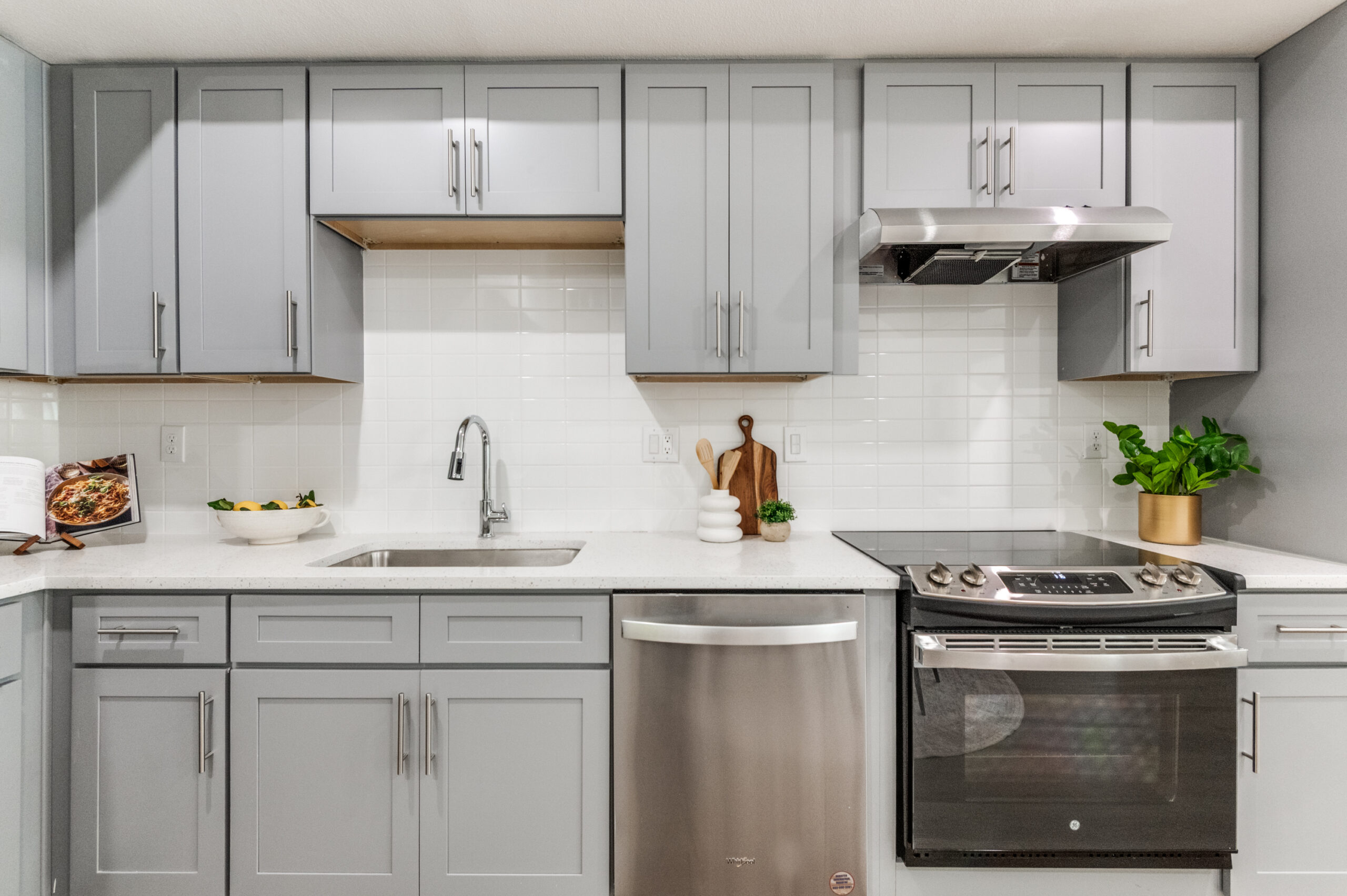
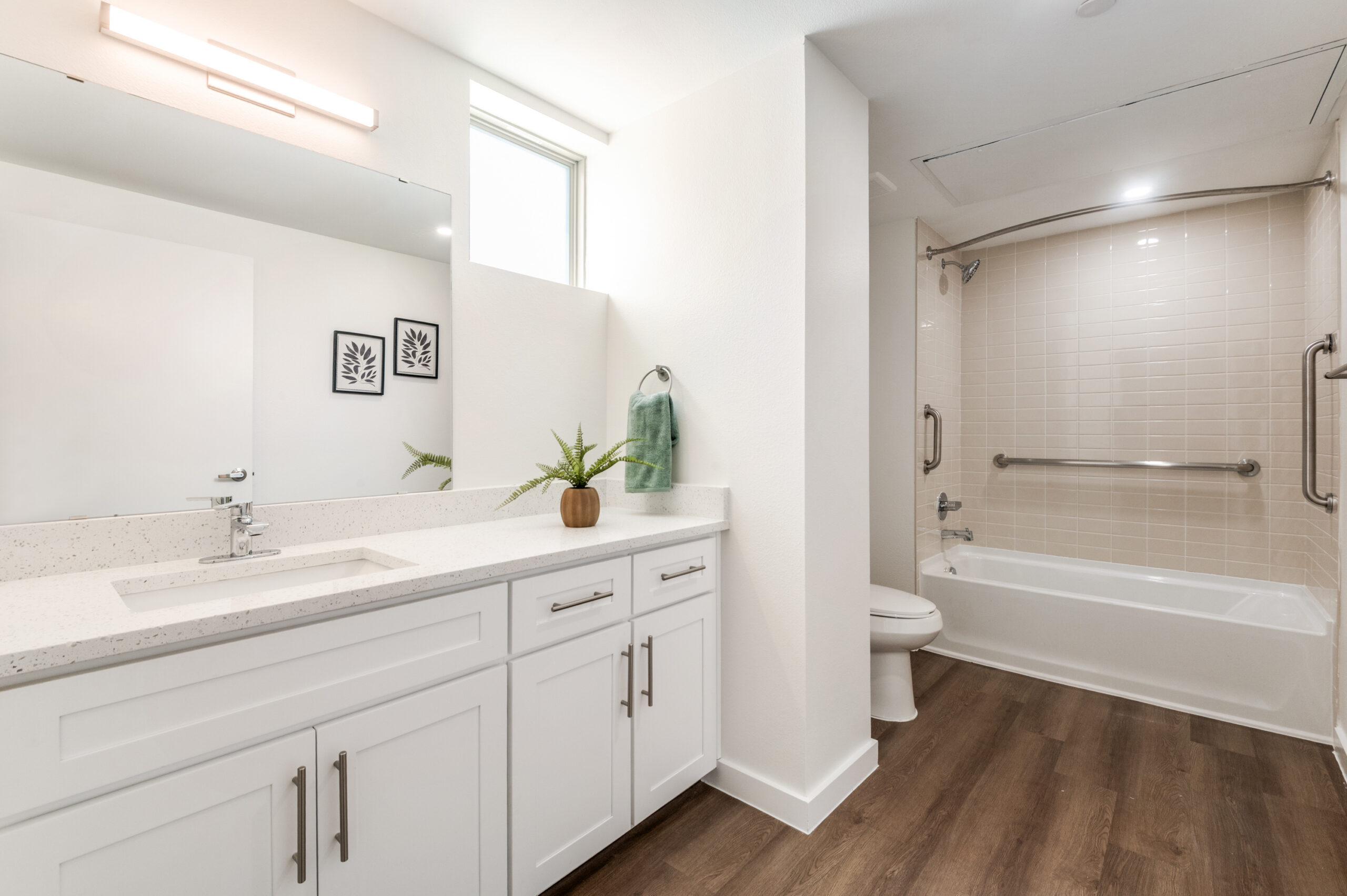
A once-vacant lot near the southwest corner of La Bajada is now home to Armonia Apartments. The 15-unit mixed-income multifamily housing development is beginning to welcome residents in this West Dallas neighborhood navigating a legacy of industrial land use, historical disinvestment and rapid change.
The apartment project is the result of a partnership between the City of Dallas and Dallas City Homes, a nonprofit organization focused on developing and preserving affordable housing, led by South Dallas resident Jason Brown.
During April’s groundbreaking ceremony, Jasmine Bazley, interim assistant director of the Office of Housing and Community Empowerment, said this investment comes at a critical time as Dallas faces a shortage of more than 40,000 housing units for households earning below 50% of the area median income (AMI) — for example, a family of four with an income of $60,550 or less.
“This gap is projected to increase without intentional investment in District 6,” Bazley said ofthe city council district that encompasses La Bajada and West Dallas, “where the median household income is approximately $54,000, and nearly one-third of residents here are renters.”
Located at 3115 Topeka Avenue, the Armonia project includes both age- and income-restricted units:
- Three units reserved for seniors 65 and older
- Three units for residents earning at or below 30% area median income (AMI)
- Five units for residents earning at or below 80% AMI
- Four market-rate units
Brown says the development was designed to serve a broad range of residents, from households earning roughly $30,000 annually to those making closer to $100,000, with a mix of affordable, workforce, and market-rate housing options.
“This approach creates a more inclusive community, greater economic stability and long term neighborhood resilience,” Brown explains.

The City invested more than $2 million through a federal HOME Investment Partnership loan to support the construction, as well as $300,000 in general grant funds for solar panels at the development.
Under federal HOME requirements, the units will remain income-restricted for at least 20 years.
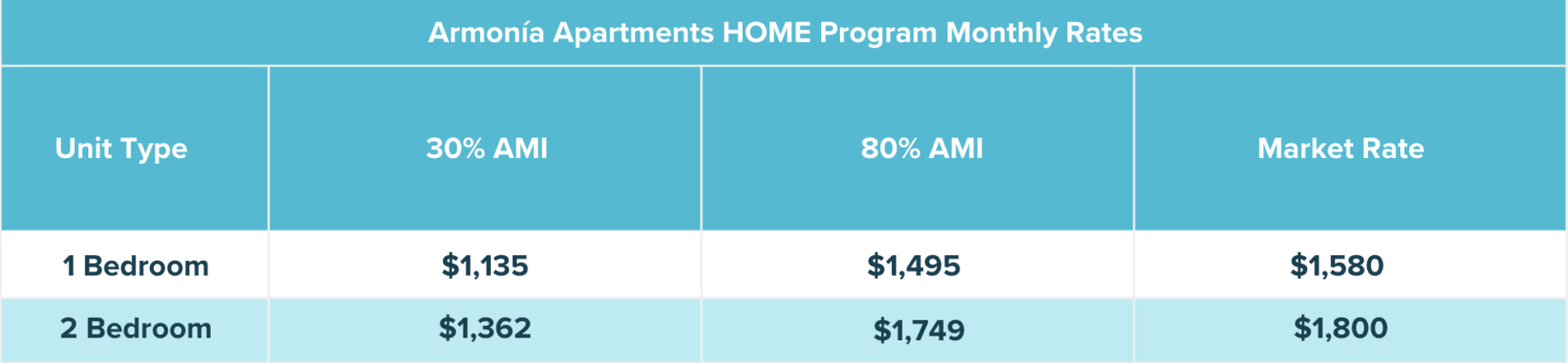
As of May 15, 2026, about half of the units are still available. Interested residents can contact the Armonía leasing office at 469-702-9200 or via email at manager@armoniadallas.com.

Bringing affordable rent to West Dallas
Armonia Apartments was developed by Dallas City Homes, a nonprofit that has developed and preserved several affordable housing units over the last 30 years.
Brown, a fifth-generation South Dallas resident, says his lived experiences shape how he approaches real estate and projects like this one in West Dallas.
“Historically, our acquisition strategy was looking at neighborhoods that were on the verge of gentrification or displacement,” Brown says. Dallas City Homes was offered the Armonía site for below market value by CVS Pharmacy’s development team, which has a store next door on the corner of Singleton and Sylvan, and owned the surplus land.
Brown says community engagement is critical in neighborhoods where longtime residents may feel uncertain about redevelopment and rapid change. The name “Armonía,” meaning “harmony” in Spanish, emerged through conversations with the La Bajada Neighborhood Community Association, he says, and was intended to reflect a balance between neighborhood preservation and future investment.
Reactions to the project among neighbors were mixed, according to Sylvia Lagos, recent president of the La Bajada Community Neighborhood Association. Lagos explains that some residents were excited to see new investment in the neighborhood, while others remained hesitant because of longstanding distrust tied to displacement pressures.
“We have been here for generations,” Lagos reminded those gathered during the project’s grand opening ceremony. “We do not want our culture to be washed away… This is not Trinity Groves. This is West Dallas.”
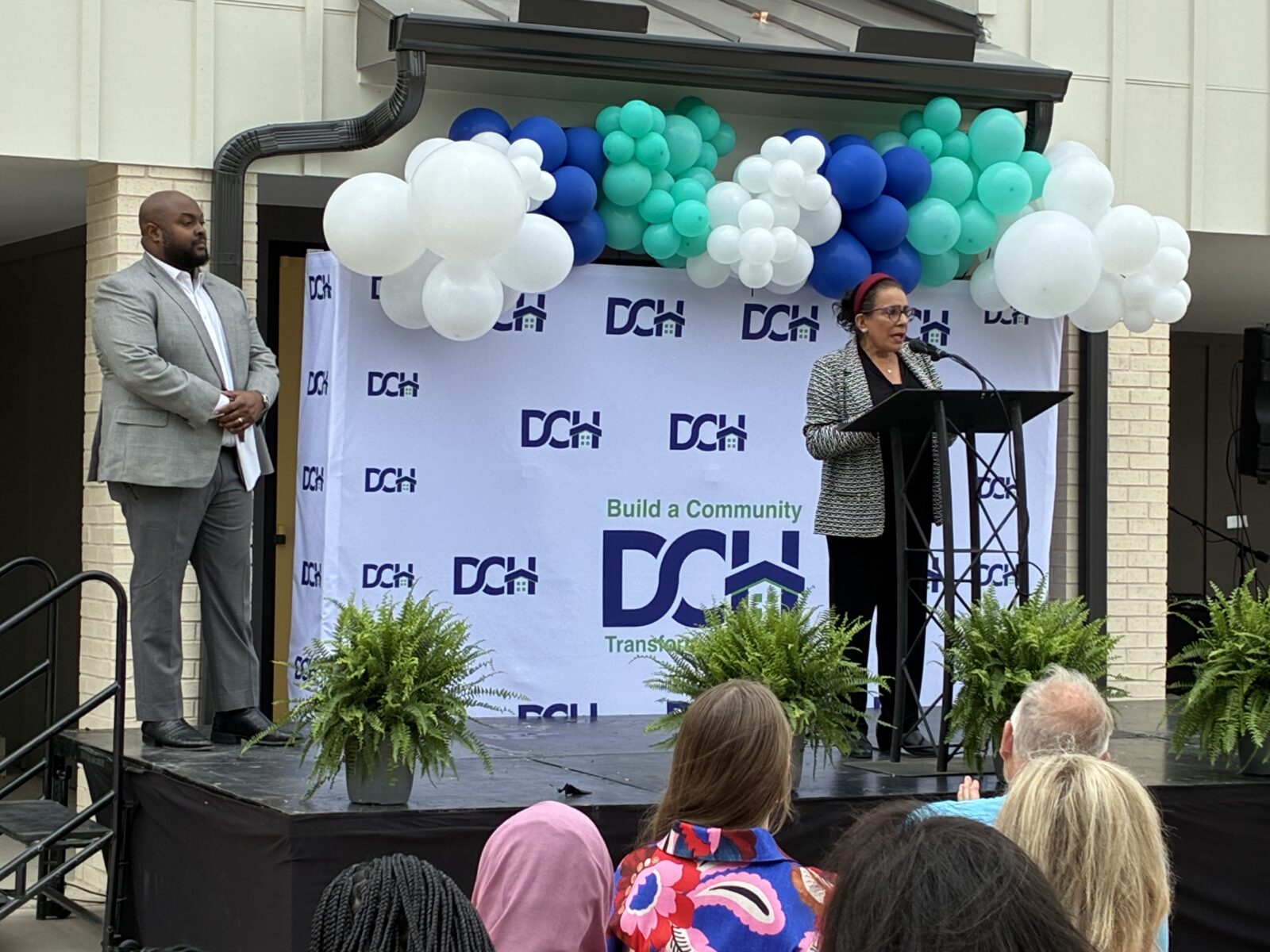
Lagos says those concerns are rooted in the neighborhood’s history and the experiences of generations of West Dallas residents who fought for basic infrastructure, services and institutions such as Los Barrios Unidos Community Clinic, which sits just across Sylvan from Armonia.
Lagos said she hopes Armonia can build strong relationships with residents and create opportunities for people already living in the neighborhood.
“We would like to have some of our neighbors benefit from this new structure,” Lagos says.
Brown agrees and says that trust is built through listening.
“We’re doing work in these neighborhoods that’s going to outlast me. It’s about ensuring that folks in these communities have a voice… because my vision might not be their vision on what we want our community to look like for the years to come.”
To find tenants, Dallas City Homes skipped online ads and opted for an intentional, door-to-door effort to reach those who might otherwise be overlooked.
“I’m real big on ensuring opportunities flow through the community instead of around,” Brown says. Early leases include one resident from La Bajada and others who work nearby in essential industries like healthcare, transit and education, he says.
“A lot of hands in the pot”
While public funding helped make Armonía possible, Brown says the process came with major financial and administrative challenges. They began pursuing funding for Armonia Apartments in early 2020.
“We actually got told ‘no’ on the project initially,” Brown says. “This was right around the pandemic, so it was a big blur. I don’t recall why.”
Later that year, Dallas City Homes was notified that leftover funds from another project had become available and was encouraged by the City to reapply. The organization began a second underwriting process through the City of Dallas’ August 2020 Notice of Funding Availability process and was ultimately awarded more through a City Council resolution approved in October 2021.
Brown says the project then spent months moving through contracts, HUD review and pre-construction approvals before breaking ground about three years ago.
“It’s a lot of hands in the pot,” Brown says. “Not every organization or individual is willing to deal with that.”
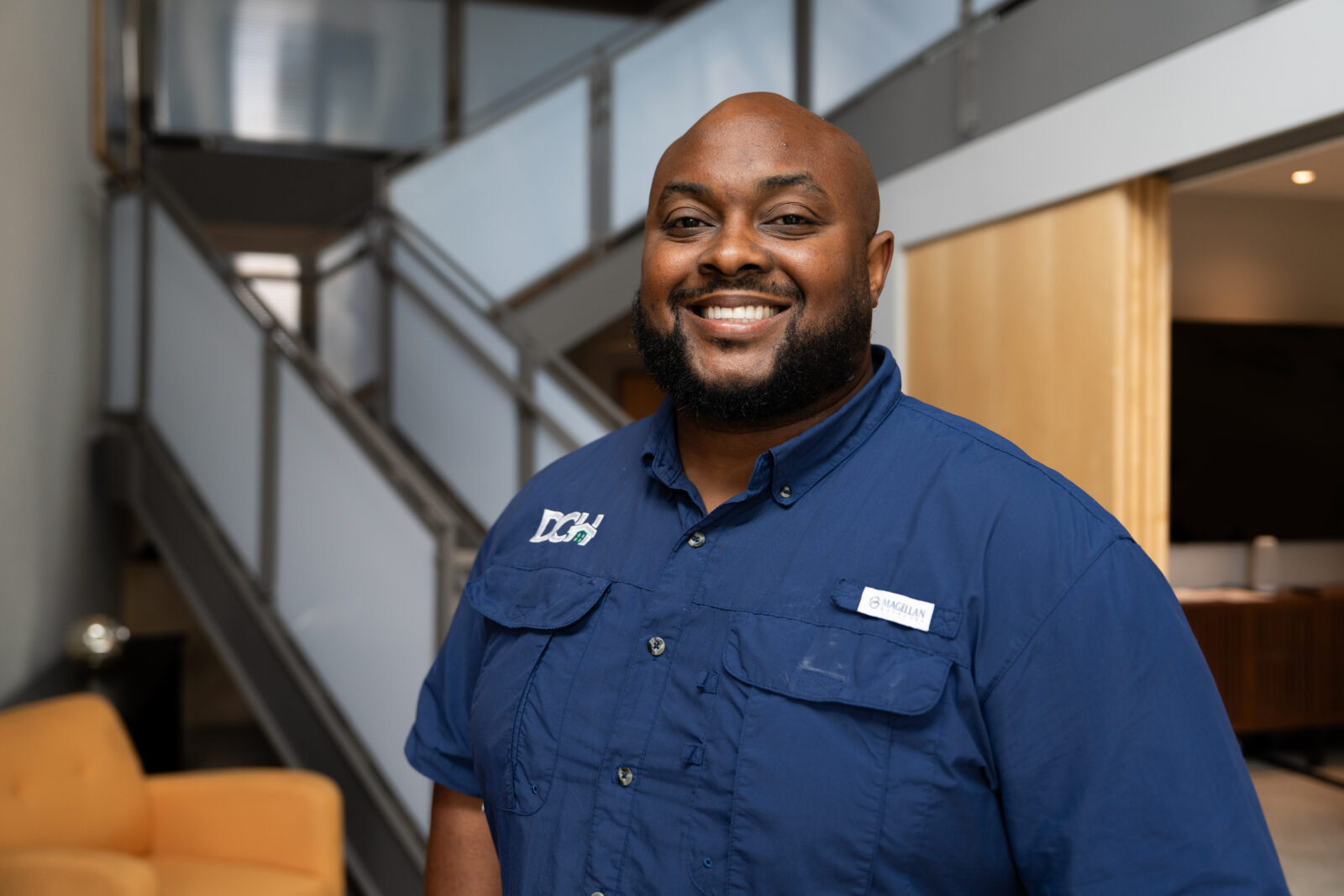
He explains that City-funded projects often come with strict insurance requirements and slow reimbursement cycles that can take six or seven months. During that time, developers must be able to cover millions in upfront costs while waiting to be repaid.
Brown says projects like Armonía rely on layered financing and mission-driven partners willing to work through those delays. He credits the Dallas Housing Opportunity Fund, managed by LISC Fund Management, with providing $1.4 million in low-cost capital to help close the financing gap with the project’s initial HOME funding.
Brown also credits Tolleson Private Bank and the Texas Mezzanine Fund for providing the flexible financing they needed. He says without these partners, Dallas City Homes likely would have had to sell the land instead of completing the project.
To help reduce costs further, Dallas City Homes also handles much of its acquisition, project coordination, and development work in-house rather than relying heavily on outside consultants and additional legal or administrative services.
Brown says this allows their organization to avoid unnecessary “junk fees,” such as extra origination, title, and similar costs that can add up during the development process. He explains that completing projects like Armonía is not always a funding issue, but often an allocation issue.
“I’m happy to be in a position to bring along other folks,” Brown says in regard to encouraging other developers to take on community-rooted projects. “We want to help expand their capacity so they can do these types of deals, too.”
Share This Story, Choose Your Platform!

Jennie is a first-generation journalist, educator, and community builder passionate about equitable access to information and storytelling. Her career spans classrooms and newsrooms: she began as a dual-language teacher in Dallas ISD through Teach for America and later led citywide journalism initiatives with the Dallas Media Collaborative. She has also mentored emerging journalists and led youth programs that blend media literacy with life skills. At Dallas Free Press, she oversees content strategy and partnerships that center community voices and make civic systems easier to navigate.