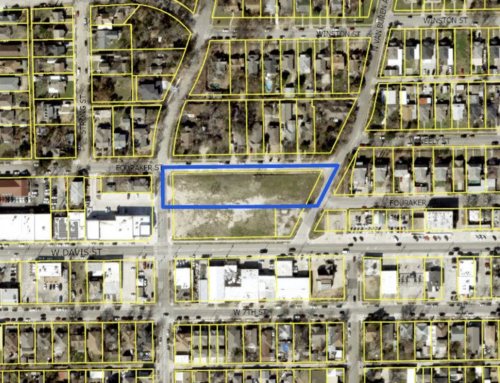
Large-scale rezoning happens all over Dallas. How can it be improved?

Documenters Brief
News Based on facts, either observed and verified directly by the reporter, or reported and verified from knowledgeable sources.
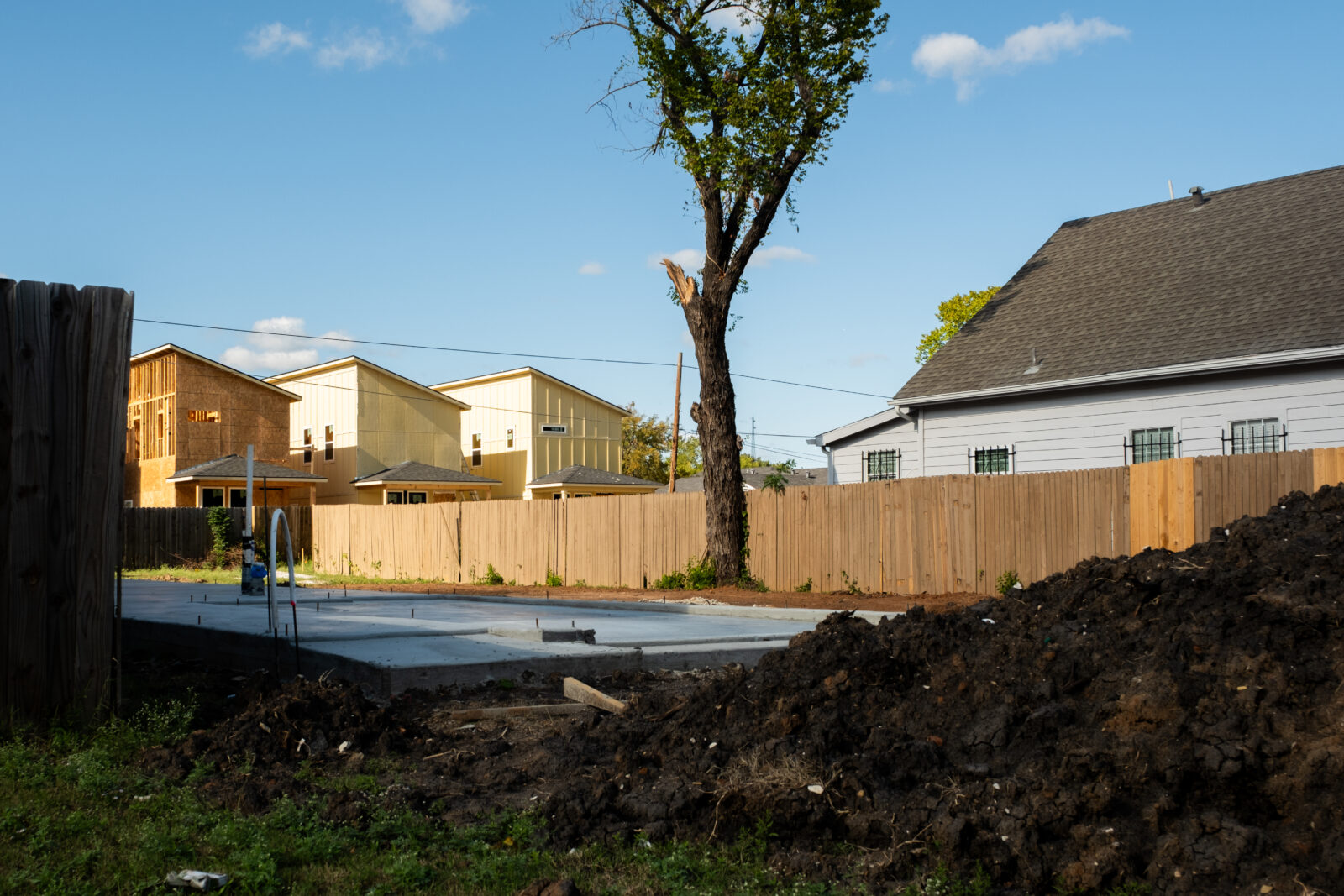
In November, West Dallas residents attended a public meeting to address zoning in their neighborhood. For decades, these residents have lived near industrial plants like the GAF shingle factory and have experienced health and environmental issues caused by pollution.
The meeting to discuss the future of the 256 acres of land is the first of a large-scale rezoning process called an authorized hearing.
The City of Dallas utilizes large-scale rezoning throughout the city to improve land use, but during a December Economic Development Committee meeting, council members and city staff said a lack of communication, project delays, and proposed changes without community support have created a backlog of cases.
Authorized hearings are City-initiated hearings to determine the proper zoning for an area, sometimes stretching thousands of acres. The hearings are initiated by the City Plan Commission or City Council, and require city staff research, multiple community meetings, and the final approval of the zoning changes by both CPC and City Council.
There are currently two active authorized hearing processes, one in South Dallas that attempts to activate business opportunities while preventing incompatible housing, and the one in West Dallas, which was initiated in 2022.
A zoning change to reduce industrial use in Floral Farms was approved earlier this year, as well as a contentious rezoning in West Oak Cliff that passed despite some resident opposition.
At the December Economic Development Committee meeting, city staff said there are 15 pending hearings, with some initiated as early as 2017 but without kickoffs of community meetings.
City council members asked staff why the hearings have taken so long to complete. Staff said their previous system for choosing which hearings to prioritize wasn’t the best, some hearings are paused and restarted, and some hearings might no longer be supported by the community or even the current council member.
District 14 Councilmember Paul Ridley asked why two hearings in his district were paused without communication.
“I would request in the future that you talk to the council member for that district,” he said. “So that we’re not blindsided by a report like this that shows up paused, and I can’t explain why.”
Staff said communication between them, city plan commissioners and council members needs to improve, especially since CPC initiates the majority of hearings.
Staff also said they’ve switched to a new points-based ranking system incorporating the priorities of ForwardDallas to better prioritize cases.
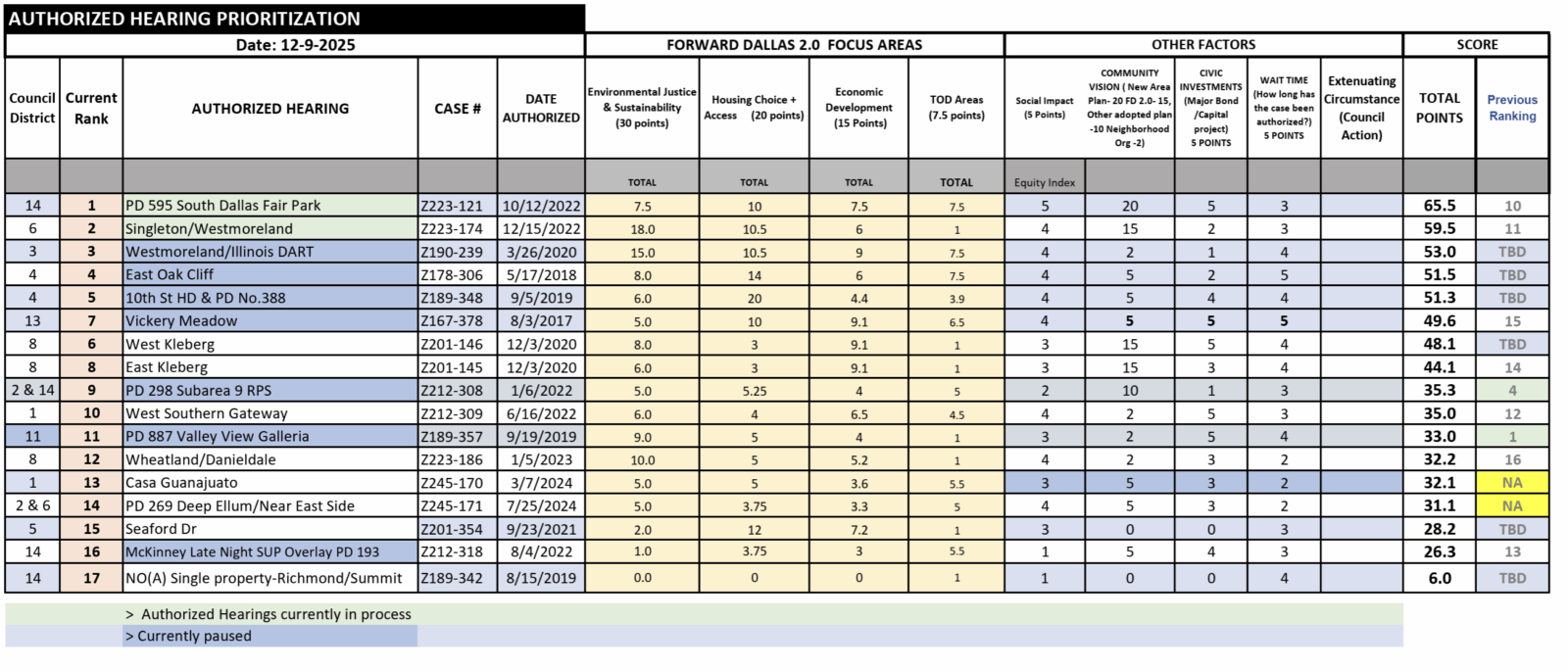
Staff also suggested limiting or removing hearing pauses, requiring a purpose statement for each hearing, and limiting the scope and size of some cases.
Based on their new ranking system, the authorized hearings at Westmoreland/Illinois DART and East Oak Cliff will be worked on next.
Watch the 12/1 meeting here.
Click here to learn how you can become a paid Documenter at public meetings.
Share This Story, Choose Your Platform!

David Silva Ramirez is the Civic Editor for Dallas Documenters. He was born in Coahuila, Mexico and was raised in Dallas-Fort Worth. He’s passionate about local government and finding unique ways to inform and empower neighbors about complex topics and issues.
Official Title:
Civic Editor
Email Address:
david@dallasfreepress.com