Keeping homes in the family: The trusted partners who support La Bajada homeowners

News Based on facts, either observed and verified directly by the reporter, or reported and verified from knowledgeable sources.
News Article Article pages that do not meet specifications for other Trust Project Type of Work labels and also do not fit within the general news category.
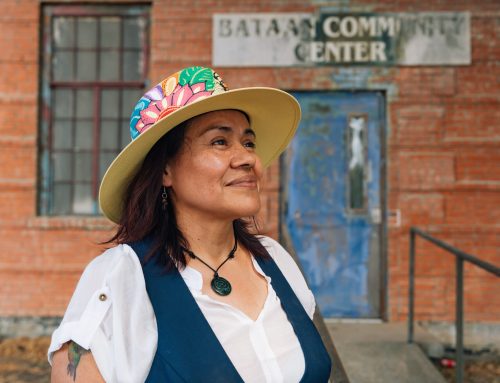
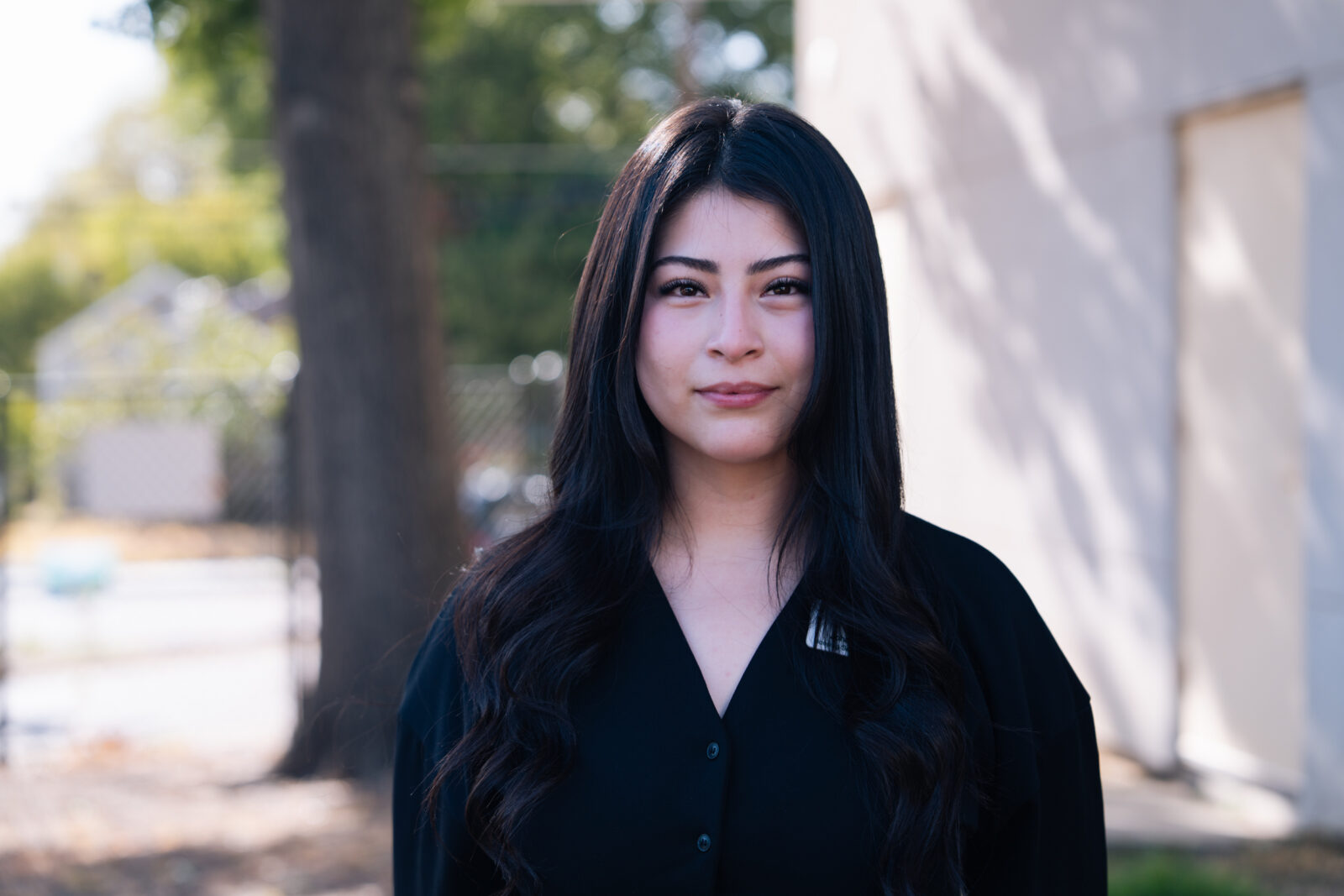
Johana Miranda knows that owning a home doesn’t guarantee a family will be able to keep it.
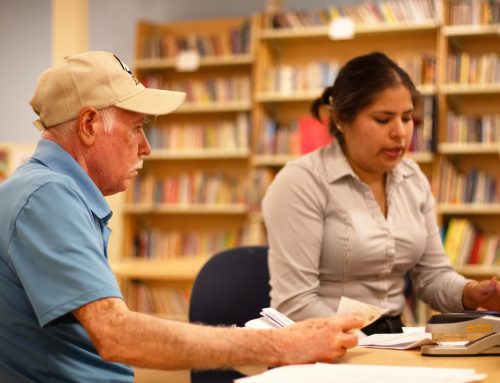
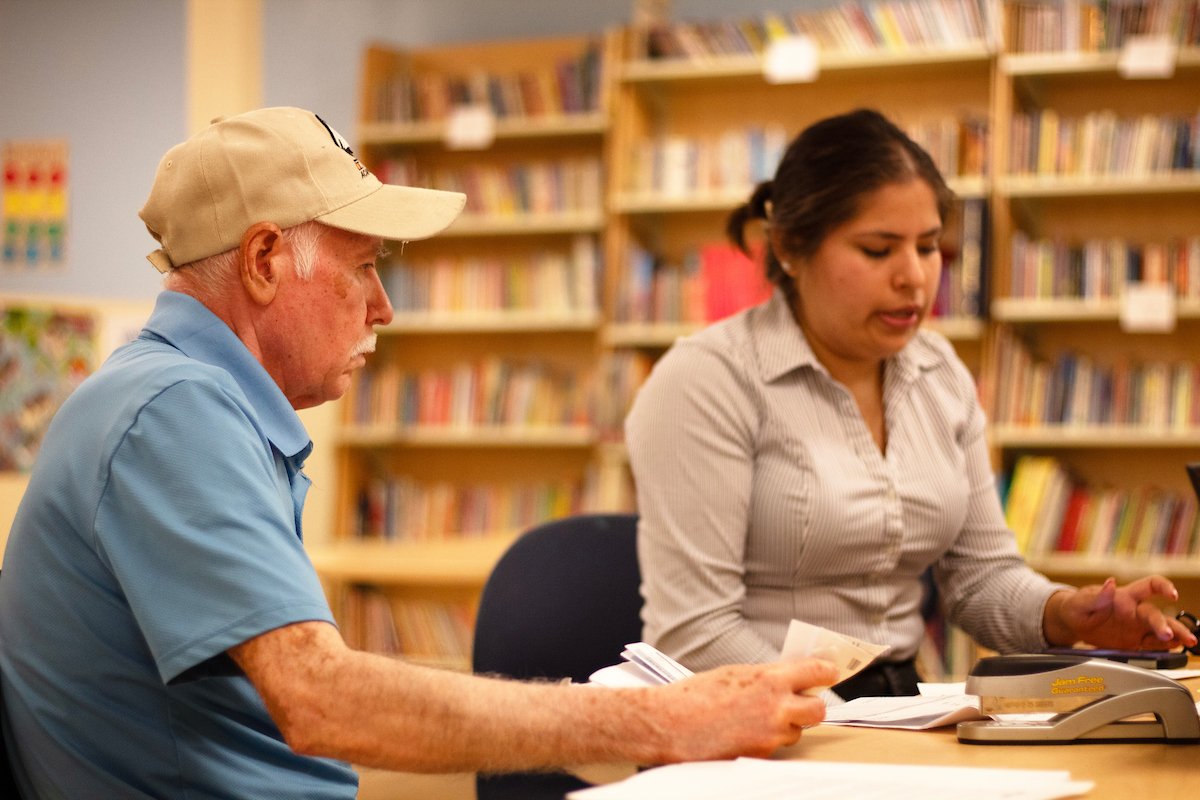
Her days often begin sitting across from a West Dallas neighbor, pulling up property records through the Dallas Central Appraisal District (DCAD) website. As the housing program specialist at Wesley Rankin Community Center, Miranda looks for the small details that can put homeownership at risk: a missing homestead exemption, an unaffordable tax bill, a property title still registered to a deceased relative, or another difficult-to-untangle issue.
For Miranda, partnering with families to strengthen housing stability and preserve their long-term assets is personal. She grew up attending Wesley-Rankin’s after-school program, Go Go Girls. She remembers how her parents described their experience with the organization: “They’re hearing my problems and they’re doing something about it.”
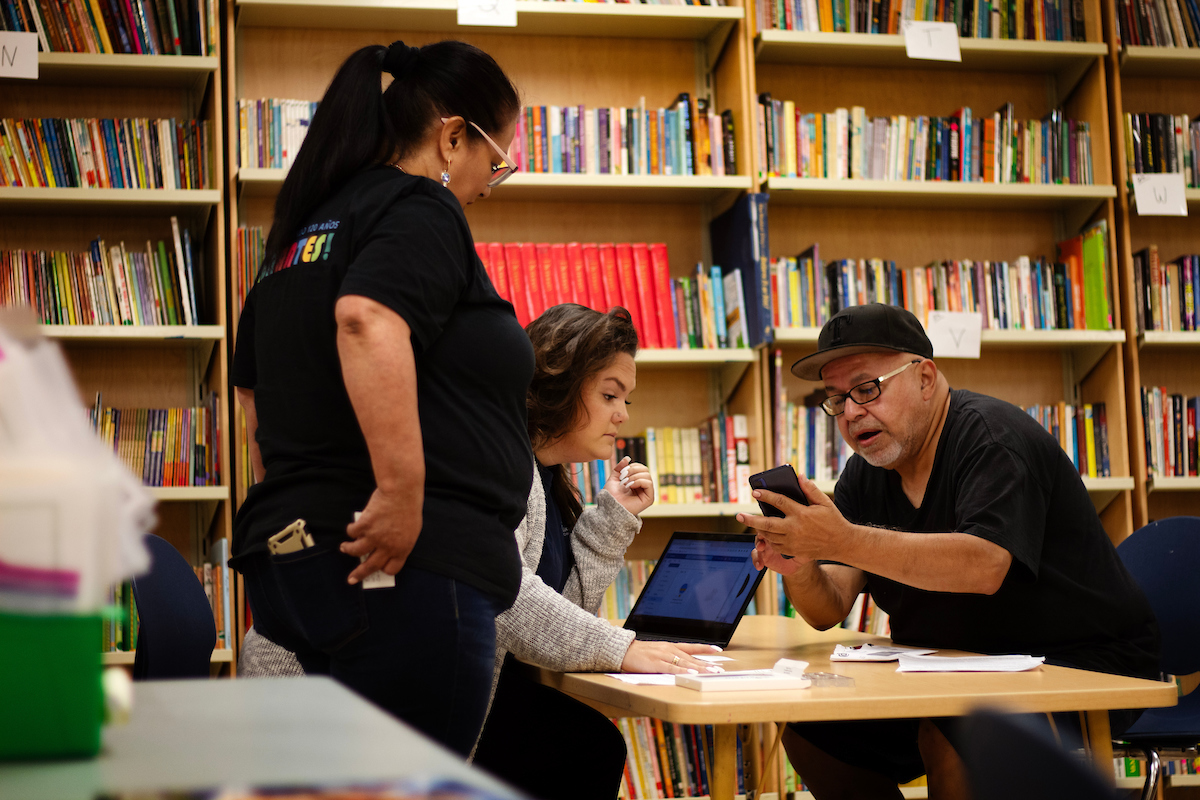
Now, Miranda helps homeowners navigate the paperwork and systems that can shape whether a family home actually stays in the family.
Her work is part of the Homestead Preservation Center, a partnership that pairs Wesley-Rankin’s longstanding community relationships and hands-on case management with housing expertise from Builders of Hope CDC and legal assistance from SMU Dedman School of Law.
Miranda isn’t a legal expert, nor does she have a background in housing policy. Instead, she’s the connector — she links homeowners to the people offering assistance and walks alongside them through the steps required to receive it, a process that can take months or even years. Delivering these solutions to homeowners depends entirely on the trust Wesley-Rankin has built through more than 125 years of serving West Dallas families.
“Residents already know what they need and the services they’re looking for,” Miranda explains. “They just need someone to listen and bring those services and those resources to them.”
The rising cost of staying in La Bajada –– and Dallas
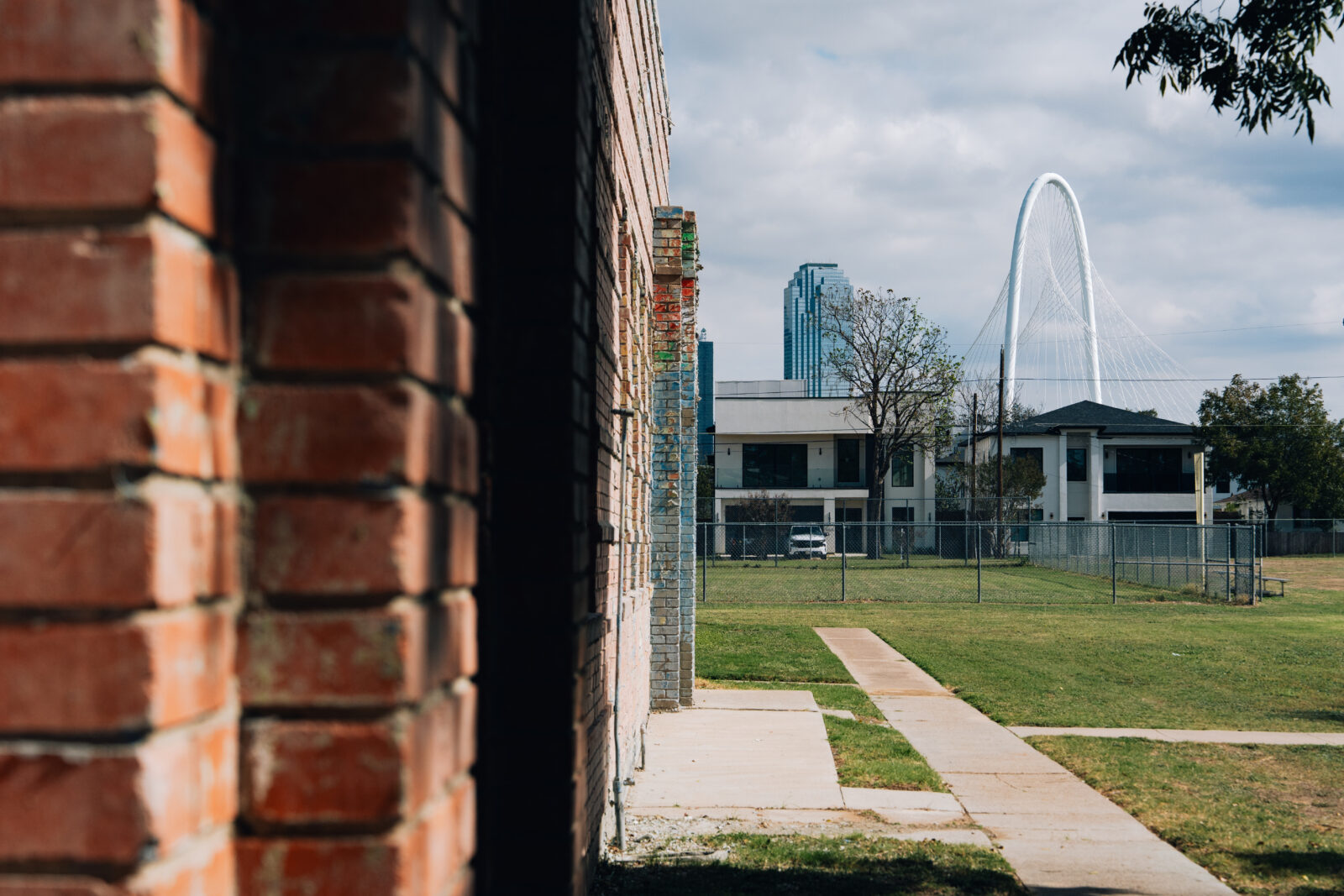
La Bajada, Dallas’ oldest remaining Mexican American neighborhood, sits across the Trinity River from downtown Dallas. La Bajada has been on the front lines of rising property values and development pressure tied to the growth of nearby Trinity Groves and other commercial and residential development.
These challenges — while prevalent in West Dallas — are not unique. Across Dallas County, similar pressure has shown up in homeowners’ property tax bills. According to the Child Poverty Action Lab (CPAL), average property taxes for Dallas County homeowners rose 32.27 percent between 2019 and 2024, while median household income for homeowners grew by just 26.6 percent.
A homestead exemption offers one of the few reliefs against those spikes. The exemption, available to homeowners who primarily reside in their home, lowers the portion of a home’s taxable value and limits annual assessment increases to 10 percent.
This protection is especially valuable for West Dallas residents, where some home values and corresponding property taxes have increased by as much as 1200% in less than a decade, from 2015 to 2025.
In La Bajada, 132 homeowners currently claim a homestead exemption, while another 24 appear eligible but haven’t applied, according to CPAL’s Dallas Homestead Exemption Map. That 85 percent participation rate is consistent with neighborhoods at similar income levels, and is slightly higher than the 81 percent countywide average for majority-Hispanic census tracts.
Yet, that gap represents roughly $118,000 in annual missed savings for neighbors — explaining why local intervention, like the work happening through the Homestead Preservation Center, remains important. Even a high participation rate doesn’t mean a neighborhood or its families are secure; a homestead exemption alone cannot resolve other complex housing issues such as title disputes, clear up probate after a loved one dies, repair an unsafe home, or make a tax bill affordable for someone whose income has not kept up with rising property values.

A paid-off home still carries costs
When Jimmy and Rosemary Padilla retired nearly six years ago, they had a plan: Move into his late mother’s house in La Bajada, fix it up and enjoy retirement without a mortgage payment.
The home had been in Jimmy’s family since 1966, when it was in North Dallas and his family bought it from his aunt for $1,500. They paid another $1,500 to have it relocated to West Dallas. Jimmy spent his childhood in that home, riding his bike through a neighborhood where most of the streets were still dirt.
The Padillas knew that returning meant taking on repairs. The couple drew from their savings to replace floors, level the foundation, paint and make other improvements. Due to the extent of the repairs needed, those costs left less room for other expenses, including property taxes.
Jimmy remembers annual property tax bills of $200 to $300 in the years after his mother’s death for a home that Dallas Central Appraisal District valued at less than $40,000. Then after 2015, things began to change.
“Basically, people started building houses here and it just threw everything into a different ballpark,” Jimmy recalls. “I mean, it was major. All of a sudden, we were paying over $1,800 a year in taxes.”
They filed for a homestead exemption in 2018, which helped lower the bill, but the remaining amount was still difficult on their fixed retirement income. Their savings dwindled, even as the house still needed kitchen updates and central heating and air conditioning.
Jimmy says he watched some of his mother’s friends lose homes over unpaid taxes or feel they had no choice but to sell.
At that point, the couple began looking for support. Jimmy turned to a place his family already knew and trusted: Wesley-Rankin. Jimmy’s mother had participated in Wesley-Rankin’s senior program, Casa Feliz. He remembered taking her to the center regularly.
When Jimmy approached the center, he recalls that he was unsure what assistance they should seek. Asking for help was unfamiliar territory for him; he was used to supporting himself.
“We had our doubts that we could get help because we never ask for it,” Jimmy says.
Wesley-Rankin staff told him the organization could help pay their taxes. Through the center’s Property Tax Assistance Program, the couple says, the entirety of their bill was covered.
“It was really like a blessing,” Jimmy says. “We didn’t know how we were going to pay our property taxes that year.
The goal: Keep homes affordable, safe and in the family
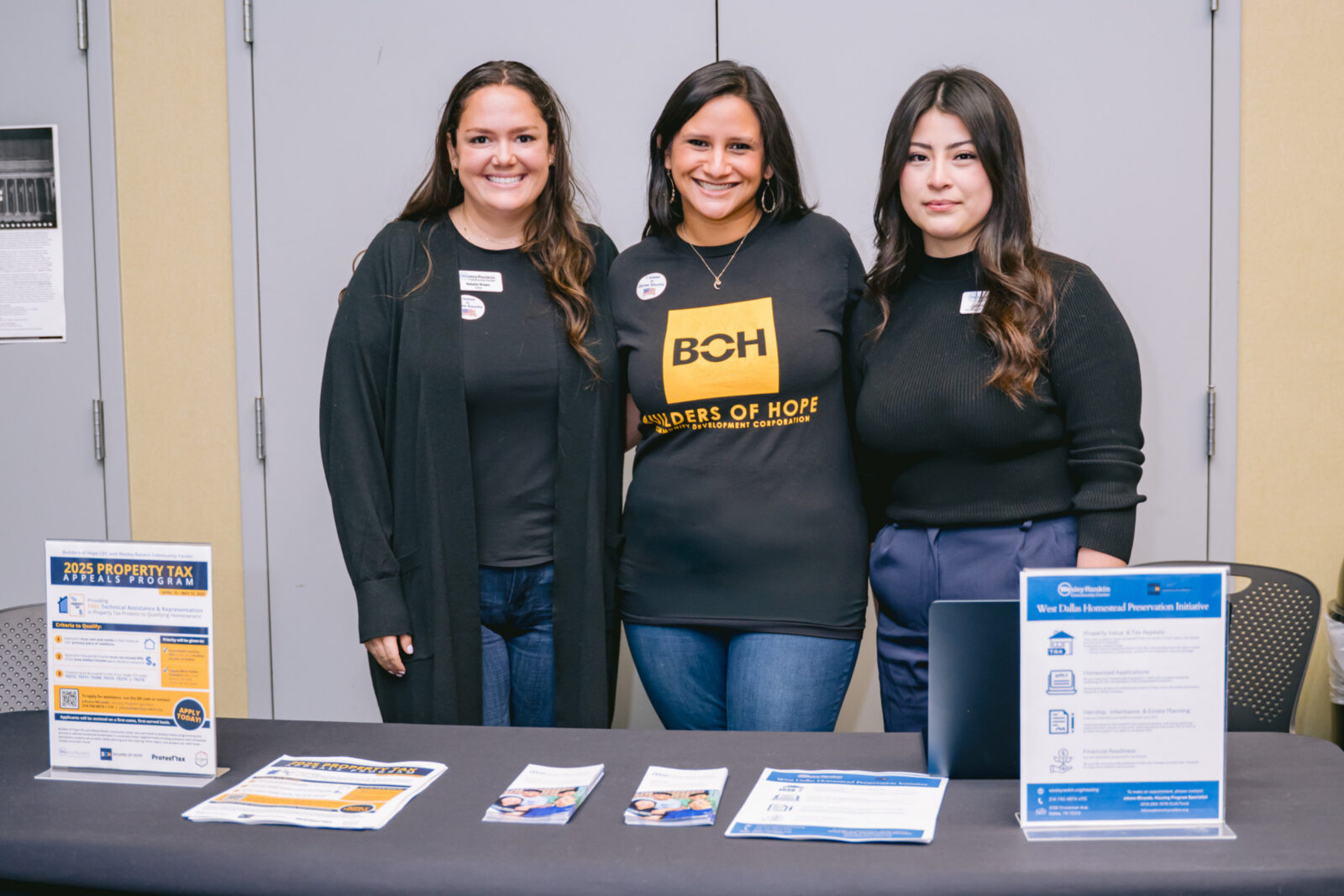
The support available to La Bajada homeowners like the Padillas comes from the Homestead Preservation Center. The goal of this joint initiative between Wesley-Rankin and Builders of Hope is threefold: to keep homes affordable, keep them safe and keep them in the family.
Their partnership began in 2018 with workshops on homestead exemptions. At the time, Wesley-Rankin had already spent years listening as West Dallas residents voiced growing concerns about new development that led to rising property values and families’ ability to remain in the neighborhood.
“In every community meeting we went to, people were getting more and more frustrated, more and more concerned about their ability to stay,” says Natalie Breen, chief operating officer at Wesley-Rankin.
What began with occasional workshops gradually expanded as the organizations learned that homeowners’ challenges rarely fit neatly into one category. A lower tax bill could help, but families also needed assistance resolving ownership records, planning for inheritance and repairing their homes.
Today, West Dallas residents can receive help securing homestead exemptions, protesting property valuations and even paying their tax bills. The center also works to connect homeowners with minor repair assistance, estate planning and legal support for heirs property, which are homes inherited without a clear transfer of title. This can be common in homes passed down through generations.
Wesley-Rankin is most well known and trusted in the Los Altos neighborhood of West Dallas where the center is located, but its reputation extends to surrounding neighborhoods. In La Bajada, just east of Los Altos, Wesley Rankin assisted 10 households in the last year and a half, paying a total of $7,235.24 toward residents’ property taxes in 2025 and 2026. All 10 households have retained their properties while receiving support, according to Breen.
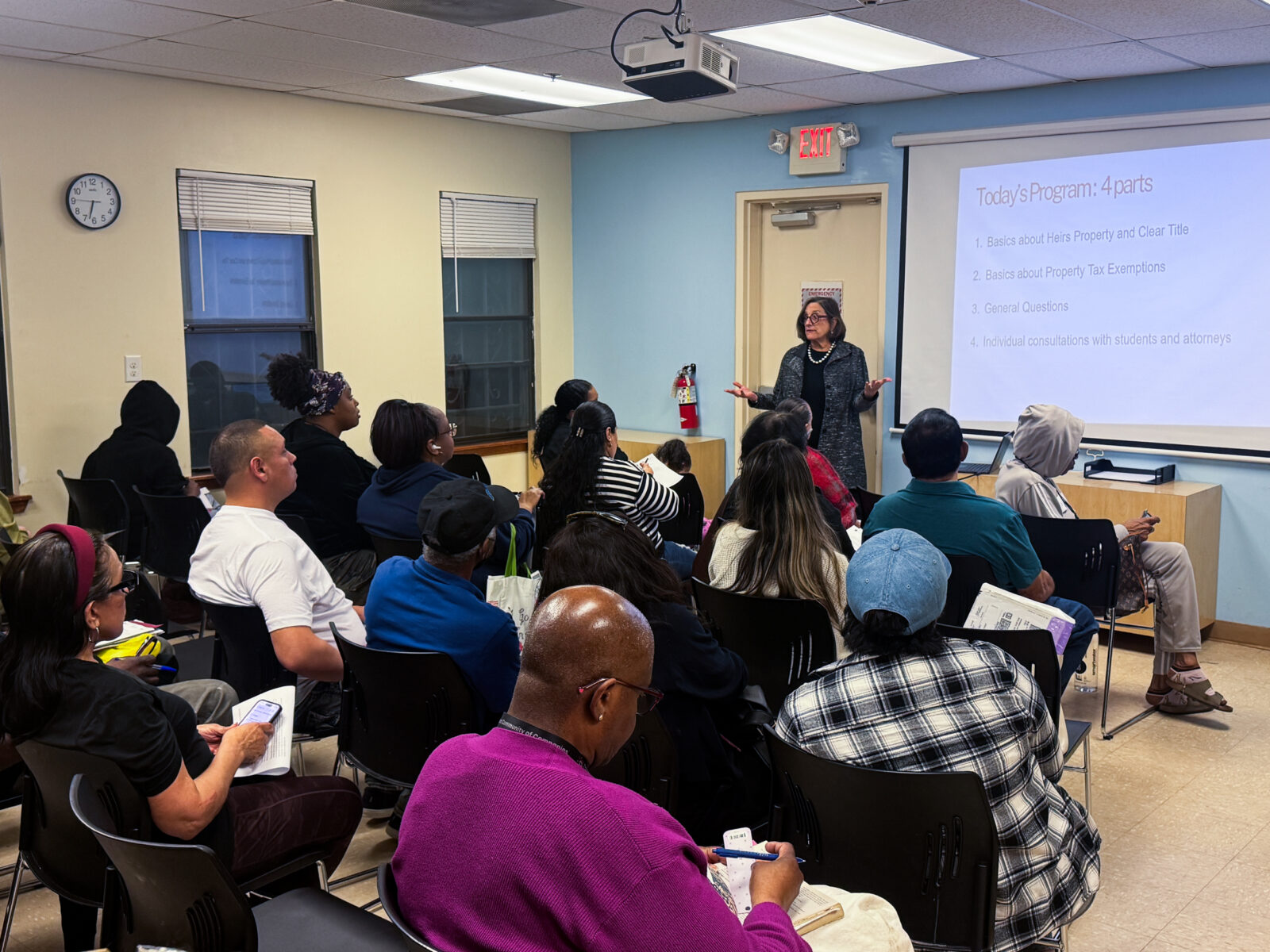
The legal support is possible through a partnership with SMU Dedman School of Law’s civil clinic. Through its heirs property project, Wesley-Rankin and Builders of Hope educate and vet prospective clients, while SMU law students conduct legal intake interviews on-site at Wesley-Rankin.
Eryn Lyle, a Dedman staff attorney who runs the project, reviews the cases and provides pro bono representation for title work, probate and estate planning. So far in 2026, legal efforts have cleared title on 21 West Dallas properties. Lyle also estimates the civil clinic has preserved $4.7 million in home equity based on appraisal district values.
Trust and follow-through
The partnership depends on each organization playing to their strengths and taking on a different part of the work. Builders of Hope contributes expertise in housing policy, programs and professional partnerships. Wesley-Rankin handles community outreach, helps identify prospective clients and provides ongoing case management. SMU’s legal clinic focuses on resolving title and ownership issues.
“What Wesley Rankin brings to the table is the grassroots, community-focused approach,” Breen says. “It’s the case management and the customer service that we do so well.”
For Lyle, those relationships make legal representation possible. Residents may be unfamiliar with probate and estate planning, or hesitant to approach an attorney. Meeting lawyers through an organization they already know can help bridge that uncertainty.
“We honestly could not do this project without community partners,” Lyle says. “We’ve tried to do it without community partners, and it’s very difficult because the trust just isn’t quite there.”
The partners also help the legal team use its time effectively. By recommending residents whose needs and eligibility fit the clinic’s services, Wesley-Rankin reduces the time it takes attorneys to screen prospective clients.
“We don’t do any public marketing,” Lyle says. “If we had to go through everybody who would apply to a public advertisement, we’d spend most of our time vetting, as opposed to helping people.”
Sometimes, support begins before the homeowner even applies. Miranda recalls working with homeowners who needed a homestead exemption but lacked a valid Texas identification card. Her team helped them navigate the process to obtain one, even accompanying them to the DMV.
“Making sure that we’re walking with them through the process in order to actually finish it is our definition of trust,” Miranda says.
The Padillas recognize that follow-through, having experienced it themselves: “They tell us what to expect, call us back and always send follow-up information,” Rosemary says. The Padillas are now going on their third year of being enrolled in the Property Tax Assistance Program. They also are in the process of completing their estate plan.
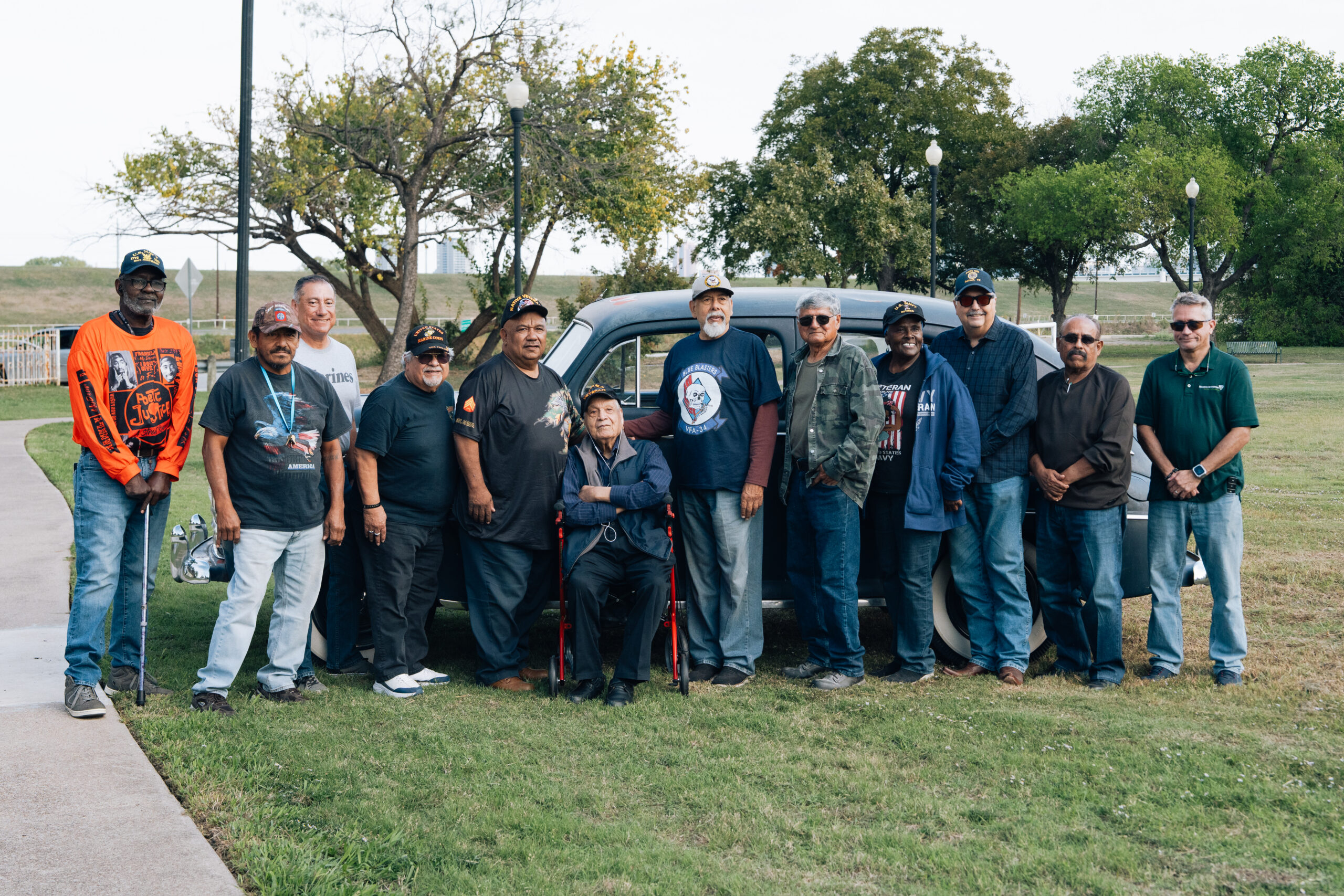
Those interactions build on relationships that have developed over generations. Wesley-Rankin has been a mainstay in West Dallas for more than 125 years, including 90 years on the same block. Jimmy’s mother participating in senior programs before his return for property assistance, as well as Miranda attending youth programs as a child, is a testament to the center’s impact on the community.
The limits of housing assistance — and the solutions
Even with relationships and legal expertise, some homeowners’ problems remain beyond the project’s capacity to resolve.
Lyle says cases can become especially difficult when a property has passed through multiple generations without anyone clearing title. Texas law requires identifying everyone with an ownership interest, which can require obtaining signatures from an extensive family tree. When heirs cannot be identified, the project may be unable to proceed.
“It’s so sad how many cases we have to turn away because we eventually say we cannot help with cases where you can’t identify the heirs,” Lyle says.
For homeowners who receive assistance successfully, resolving one problem doesn’t necessarily make others go away. The Padillas’ property tax relief eased a recurring expense, but their home still needs expensive repairs, such as central heating and cooling.
“I’m still trying to repair my house, slowly but surely, you know?” Jimmy says, explaining the challenge of remodeling on a fixed retirement income.
Reaching homeowners who aren’t already connected to Wesley-Rankin remains another challenge. Breen says the organization has mapped where participants live and identified pockets of the neighborhood where reach is limited, including older adults who do not attend community meetings or aren’t connected online through social media and email.
Breen says the staff have tried block walking, but a knock from someone unfamiliar doesn’t always open the door to a productive conversation. Miranda agrees, and says residents often feel nervous about sharing sensitive information about their homes. An introduction from someone they already know can help build the trust needed to ask for assistance.
“Everyone knows someone who knows someone in this neighborhood, so we try to work our network as much as we can,” Breen explains. “We say, ‘Who knows someone that lives on this block?’ or, if we identify a house that really needs support, ‘Does anyone know who lives in this home?’”
In addition, Wesley-Rankin sets up resource tables at community events and looks for ways to connect through churches, restaurants and other places residents gather.
“It just takes a little extra outreach and creativity and time,” Miranda says. “But you know, we’ve got to go where people are comfortable already.”
How to scale a housing solution beyond West Dallas
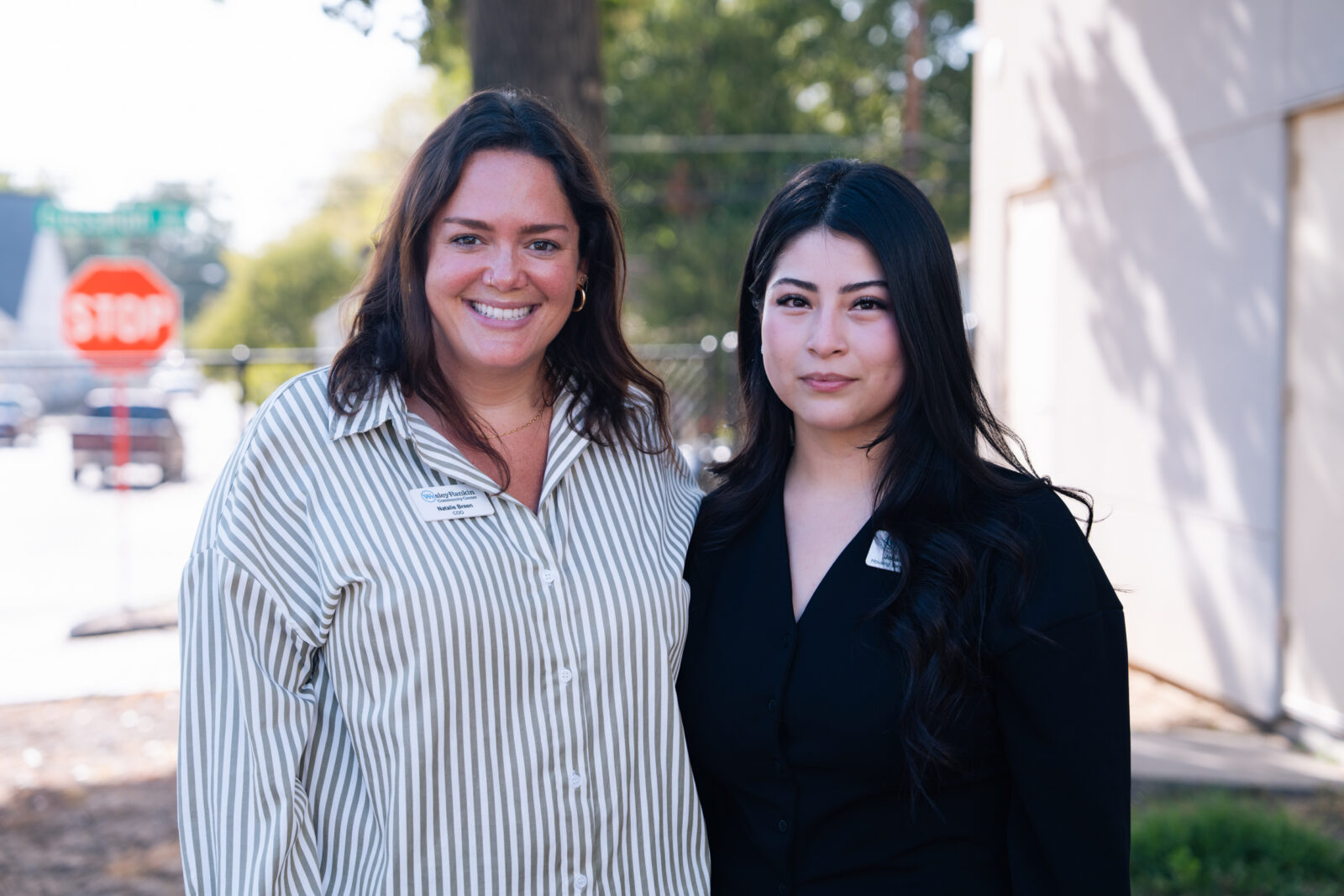
Breen believes they have developed a model that is both fiscally responsible and extremely effective in a neighborhood. She explains that the West Dallas Homestead Preservation Center brings together the different stages of homeownership –– starting with making sure a homeowner has an exemption and all the way through to an estate plan to pass the home down to the next generation. “That whole model iIs really what it takes to keep people in their homes and prevent displacement,“ she says.
Breen sees the potential to take the approach beyond West Dallas. Wesley-Rankin already is exploring bringing parts of that work to Pleasant Grove, and Breen says conversations are underway about similar work in South Dallas and other areas.
“I don’t think it’s going to be cookie cutter, the exact same in every neighborhood. I think it starts with listening and attending community meetings and seeing what the needs are and looking at data.”
It also requires people or organizations that residents already trust to be part of the work. That could be a community center like Wesley-Rankin, but Breen says it could also be a church, a strong neighborhood association, or even a few neighbors with strong local connections. The core components are a place where residents feel comfortable asking for help and a team that can offer accessible services.
While those relationships and spaces vary from community to community, the goal remains the same: giving residents the support to determine their own future.
“Home preservation isn’t really about preserving the actual property,” Miranda says. “It’s more about the residents and making sure they have the opportunity to stay connected where they grew up, where they invested all their time. It’s about giving them that choice to stay if they want to stay.”
Share This Story, Choose Your Platform!

Jennie is a first-generation journalist, educator, and community builder passionate about equitable access to information and storytelling. Her career spans classrooms and newsrooms: she began as a dual-language teacher in Dallas ISD through Teach for America and later led citywide journalism initiatives with the Dallas Media Collaborative. She has also mentored emerging journalists and led youth programs that blend media literacy with life skills. At Dallas Free Press, she oversees content strategy and partnerships that center community voices and make civic systems easier to navigate.