The question guiding our housing coverage

Newsletter
This content originally was a newsletter Dallas Free Press emailed to insiders. To become one, sign up here for free.
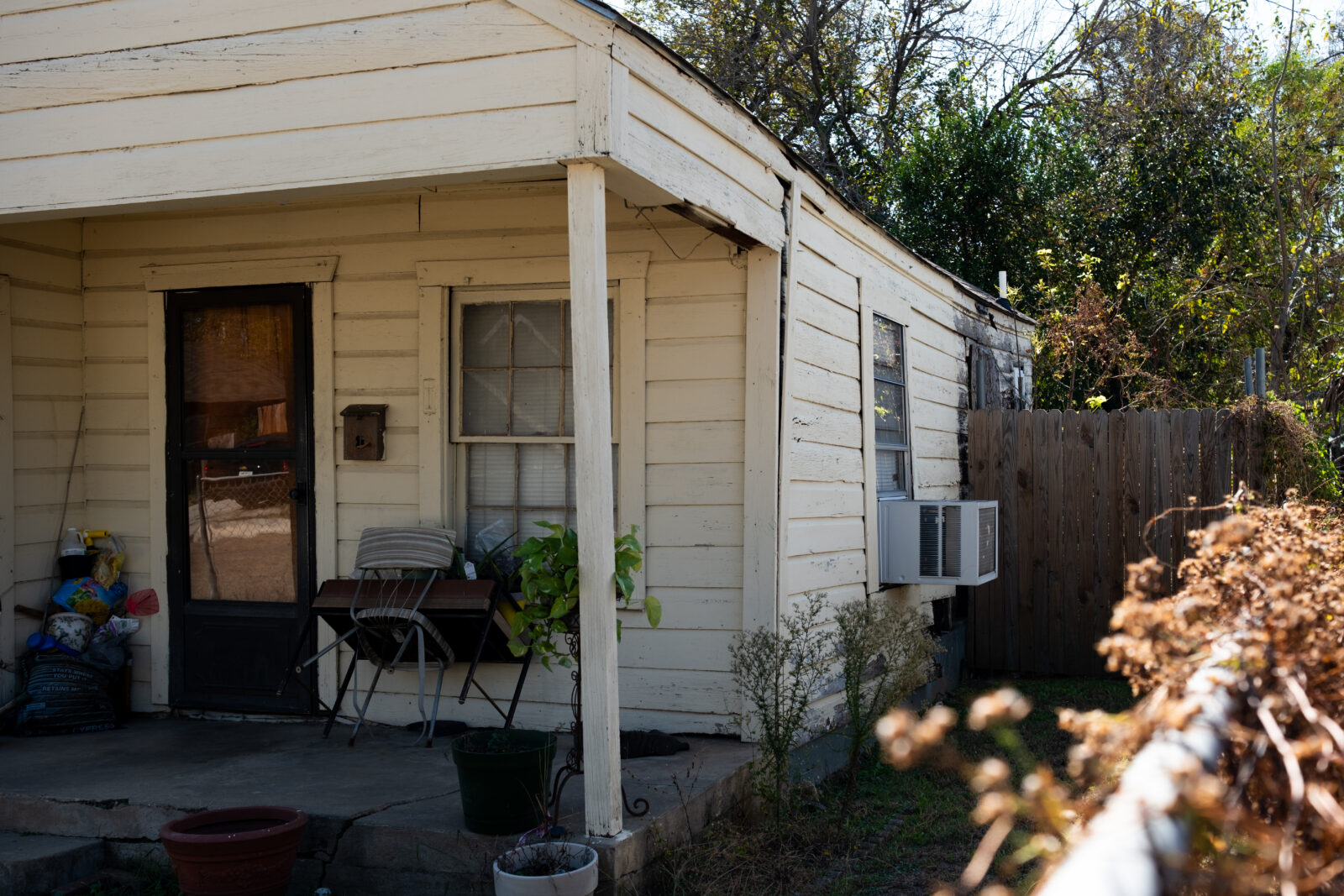
What do Dallas residents need from journalists when it comes to housing?
That question guided the launch in 2021 of the erstwhile Dallas Media Collaborative — a group of nonprofits, organizations and universities committed to reporting on affordable housing across the DFW area. From the start, the work was rooted in community engagement.
The collaborative hired me as their project manager, and part of my work was to lead an in-depth case study focused on South Dallas, West Dallas and Lake Highlands. We spoke with residents, nonprofit leaders and community advocates to better understand what was needed on the ground, as our team researched the history, demographics and housing policies shaping these neighborhoods.
What we heard was consistent: The housing most affordable for many residents was the homes they already owned — but they needed help repairing them in order to keep living in them.
That insight prompted the creation of our Home Repair Resource Guide in 2023, which was widely circulated across the city to help residents navigate what was, at the time, a fragmented system of home repair programs and providers.
Only a year later, in August 2024, the City of Dallas’ paused many of these home repair programs. The Dallas Media Collaborative had phased out, but for those of us at Dallas Free Press, who were still working alongside West Dallas and South Dallas neighbors, this raised new questions: What happens to residents who had applied for help and been promised it? What happens to those denied or still in need?
We wanted to re-release the guide with updated resources — but how do you update a home repair guide when the system it relies on is shifting?
So, we kept following the story. Not just at the policy level, but at the community level, too.
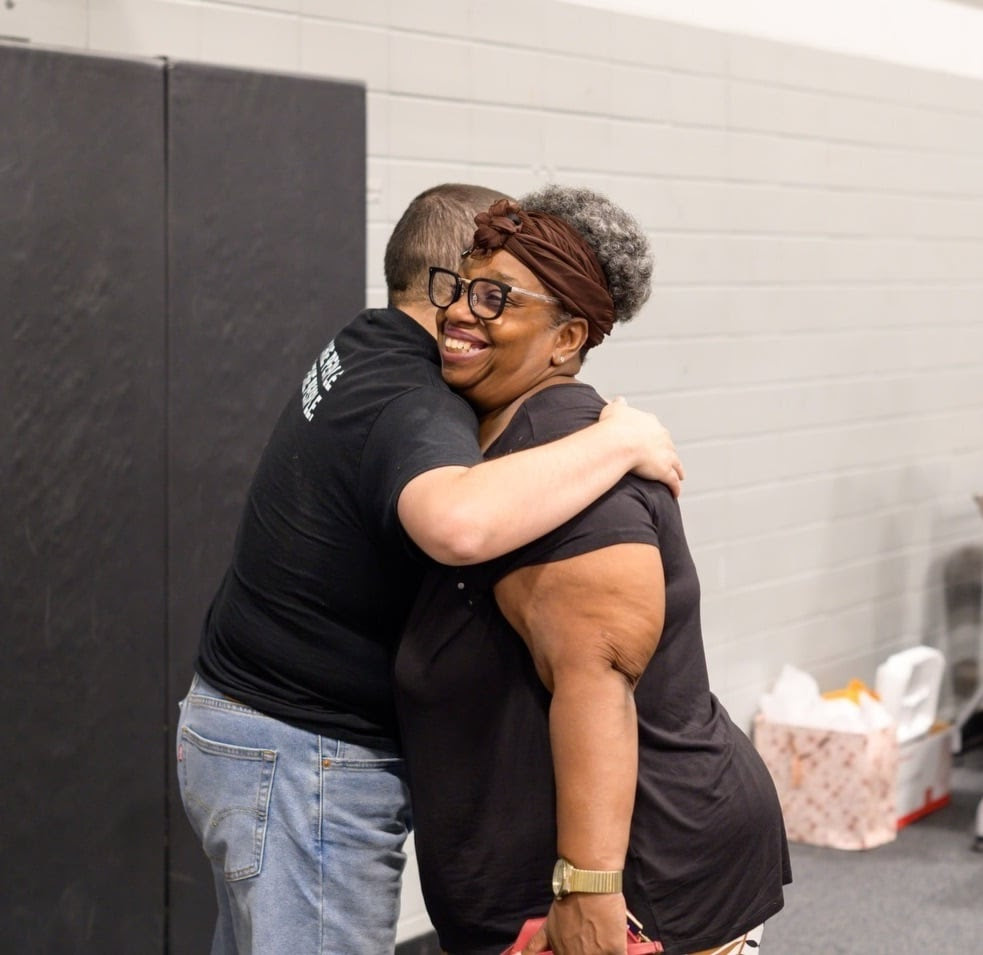

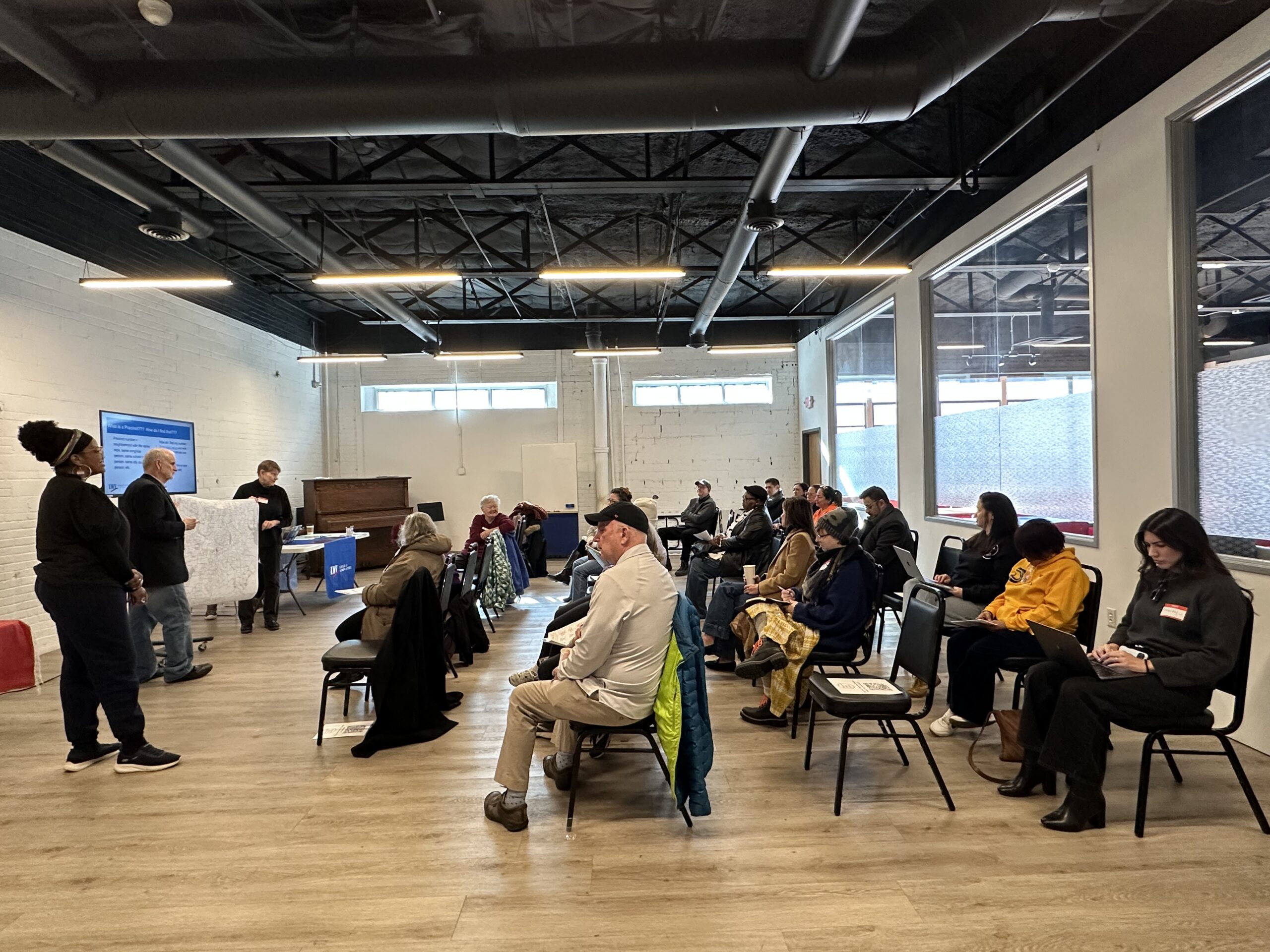
I met Eula Wilson for the first time at a home improvement fair in September 2025 hosted by Frazier Revitalization, one of the nonprofits featured in the guide that had utilized both City and private dollars to fix homes in their community. Frazier had invited Dallas Free Press’ pop-up newsroom, which has spent years traveling to community events all over West Dallas and South Dallas. At one point Frazier asked my colleague Jeffrey and me to share what we were working on, including our plans to update home repair resources and follow the changes at the City.
It was clear home repairs were top of mind for neighbors. People stopped by the pop-up newsroom with questions, concerns and stories of their own. That’s when Wilson showed up.
Jeffrey had met her at a prior community event our pop-up newsroom visited, and he introduced me as the reporter working on the next phase of our home repair coverage. What stood out immediately was that Wilson was looking for solutions. Like many residents, she had spent years applying for assistance. She submitted her first application in 2020, and she was still waiting.
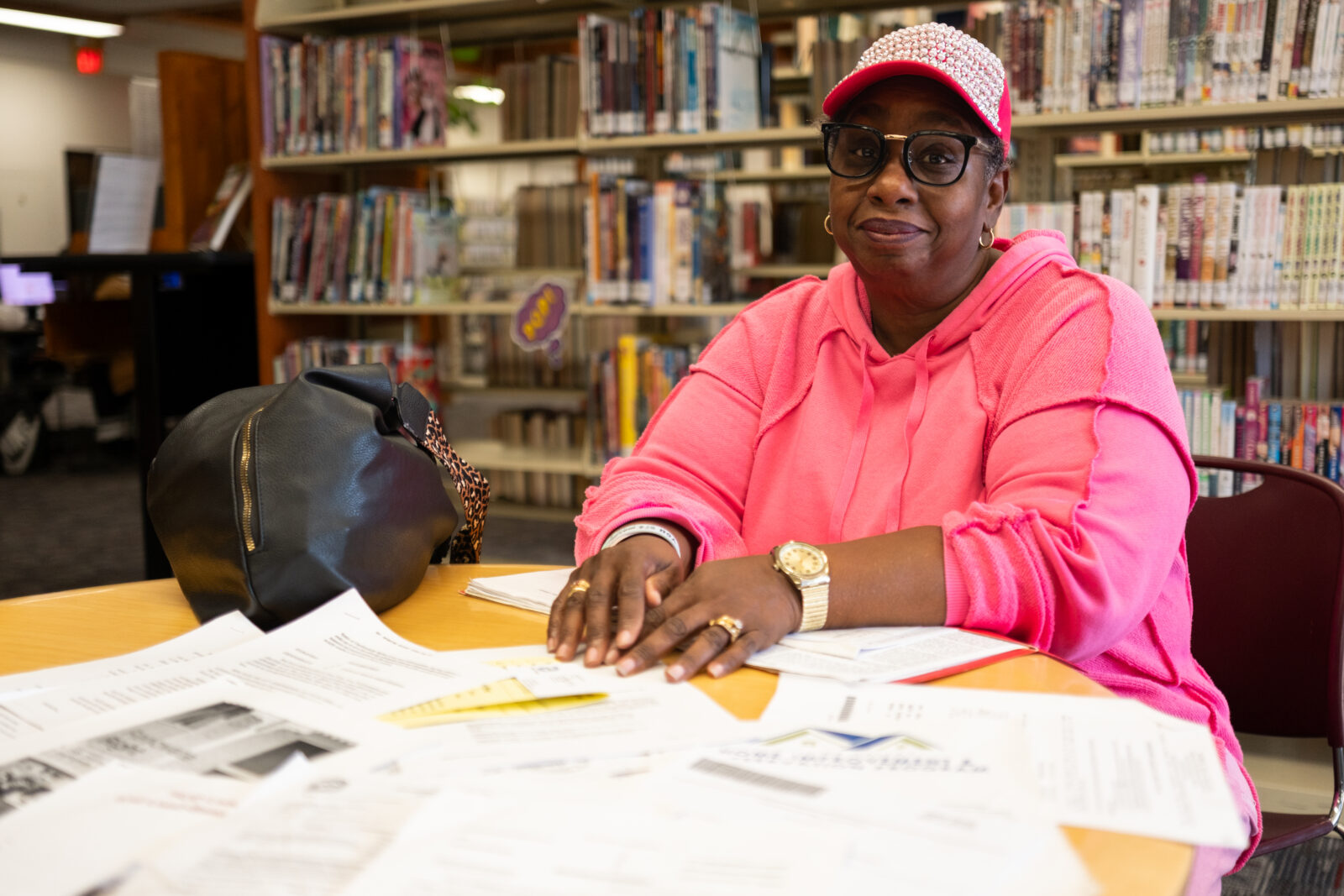
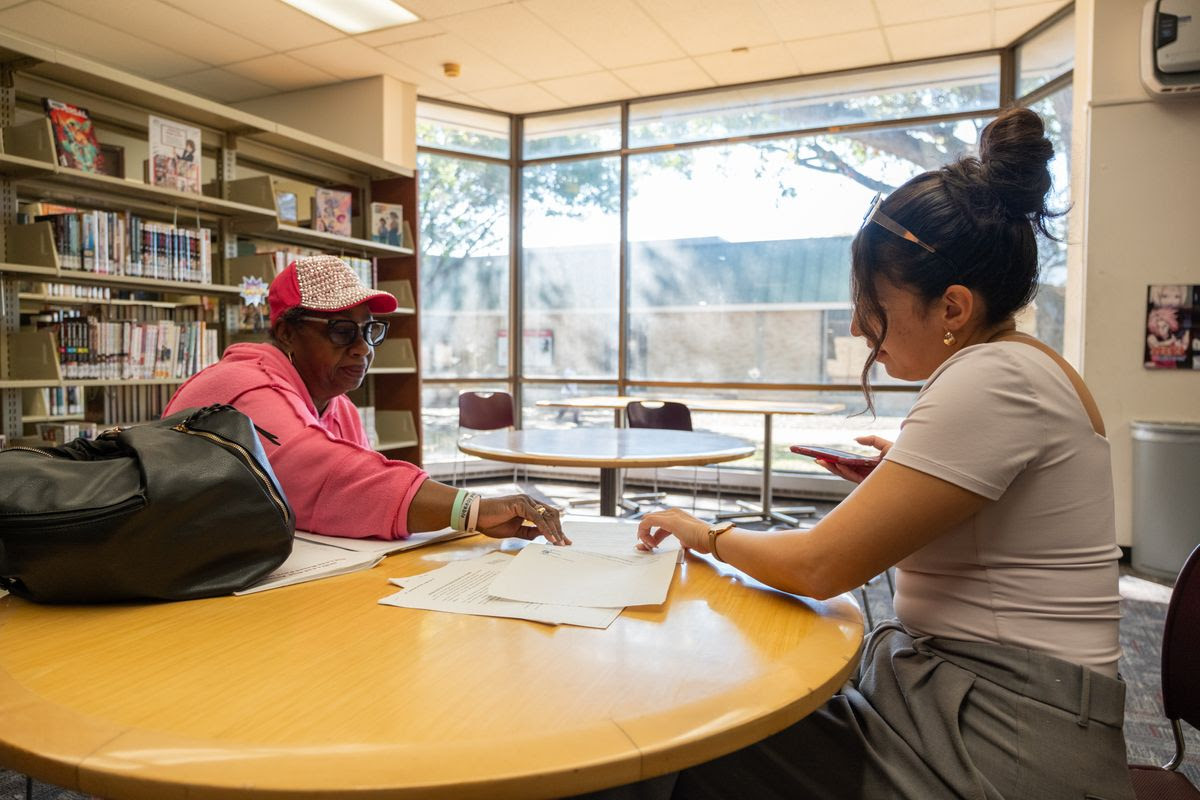
Her experience became a window into a much larger issue. Through her story, we were able to better understand what it means to navigate these programs across years of waiting, uncertainty, and shifting requirements.
At the same time, we wanted to understand how we got here. That’s why this project also looks back, outlining the history of home repair programs in Dallas since the 1970s, when federal funding first began supporting this type of civic work. The timeline we created shows how these programs have evolved over decades, through different funding streams, policy changes and administrative shifts.
Looking at that history alongside present-day experiences like Eula’s reveals something important: This isn’t a new issue; it’s an evolving one.
Our work is not just about documenting what has happened but also following what comes next. As the City works to restart and redesign its programs, we are planning an updated version of the home repair resource guide to reflect the new landscape. At the same time, we will continue to center the experiences of residents, working alongside neighbors like Eula Wilson as they navigate the system in real time.
Because ultimately, our reporting has always been shaped by the people most affected by it. Their questions, their needs, and their stories are what prompts this work in the first place, and they will continue to guide where it goes next.
Warmly,
Jennie Trejo
Content and Partnership Manager
Share This Story, Choose Your Platform!

Jennie is a first-generation journalist, educator, and community builder passionate about equitable access to information and storytelling. Her career spans classrooms and newsrooms: she began as a dual-language teacher in Dallas ISD through Teach for America and later led citywide journalism initiatives with the Dallas Media Collaborative. She has also mentored emerging journalists and led youth programs that blend media literacy with life skills. At Dallas Free Press, she oversees content strategy and partnerships that center community voices and make civic systems easier to navigate.