South Dallas needs grocery stores, not just community gardens

Newsletter
This content originally was a newsletter Dallas Free Press emailed to insiders. To become one, sign up here for free.

“When north Dallas asks for a grocery store, no one offers them a community garden instead.
“That’s insulting.”
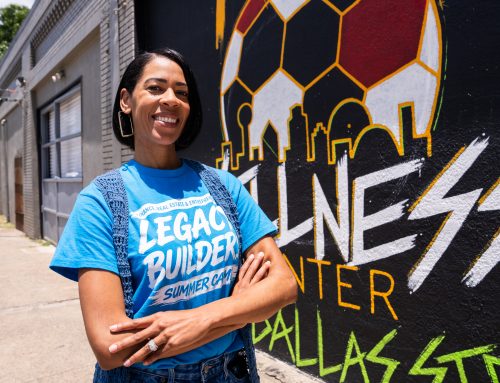
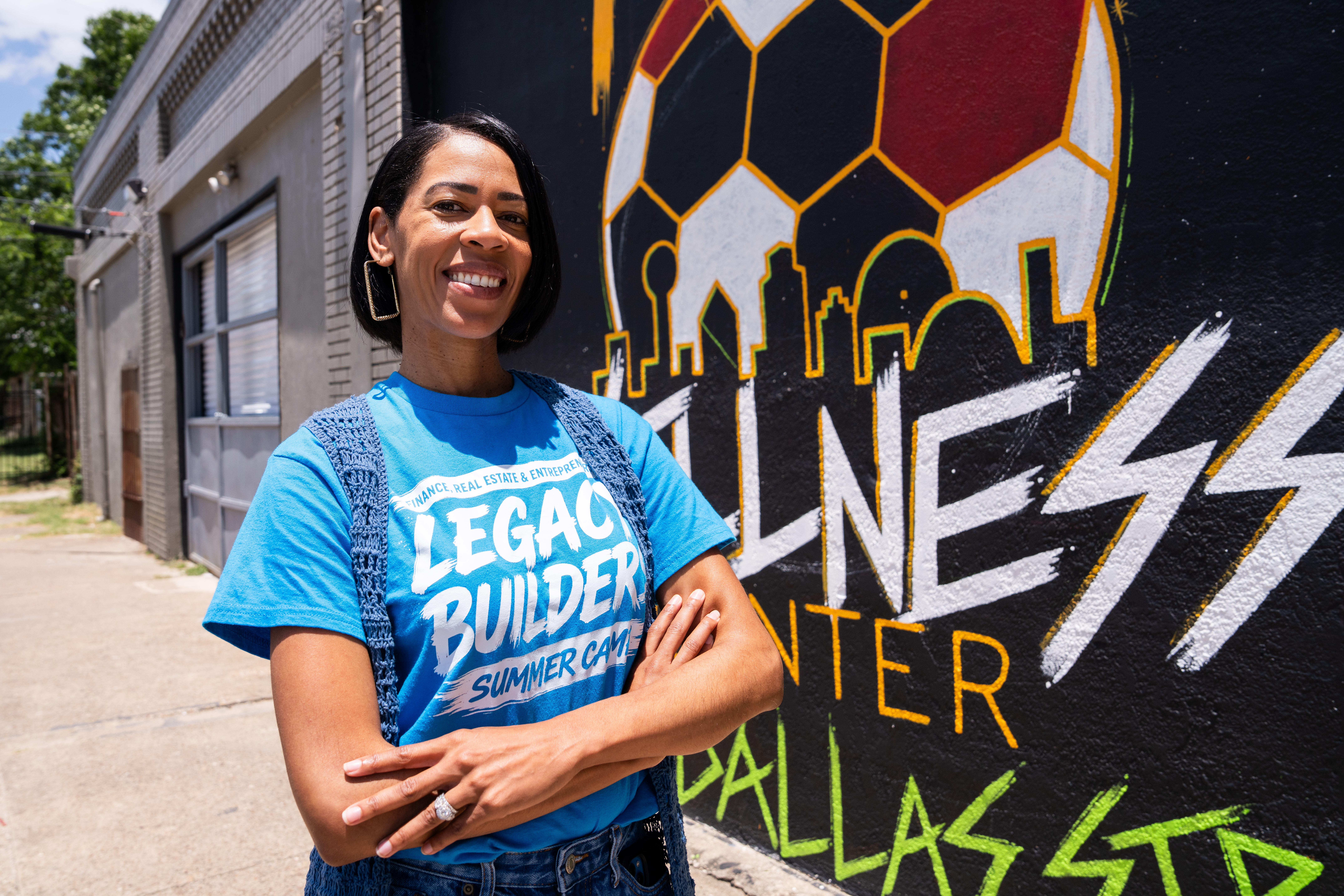
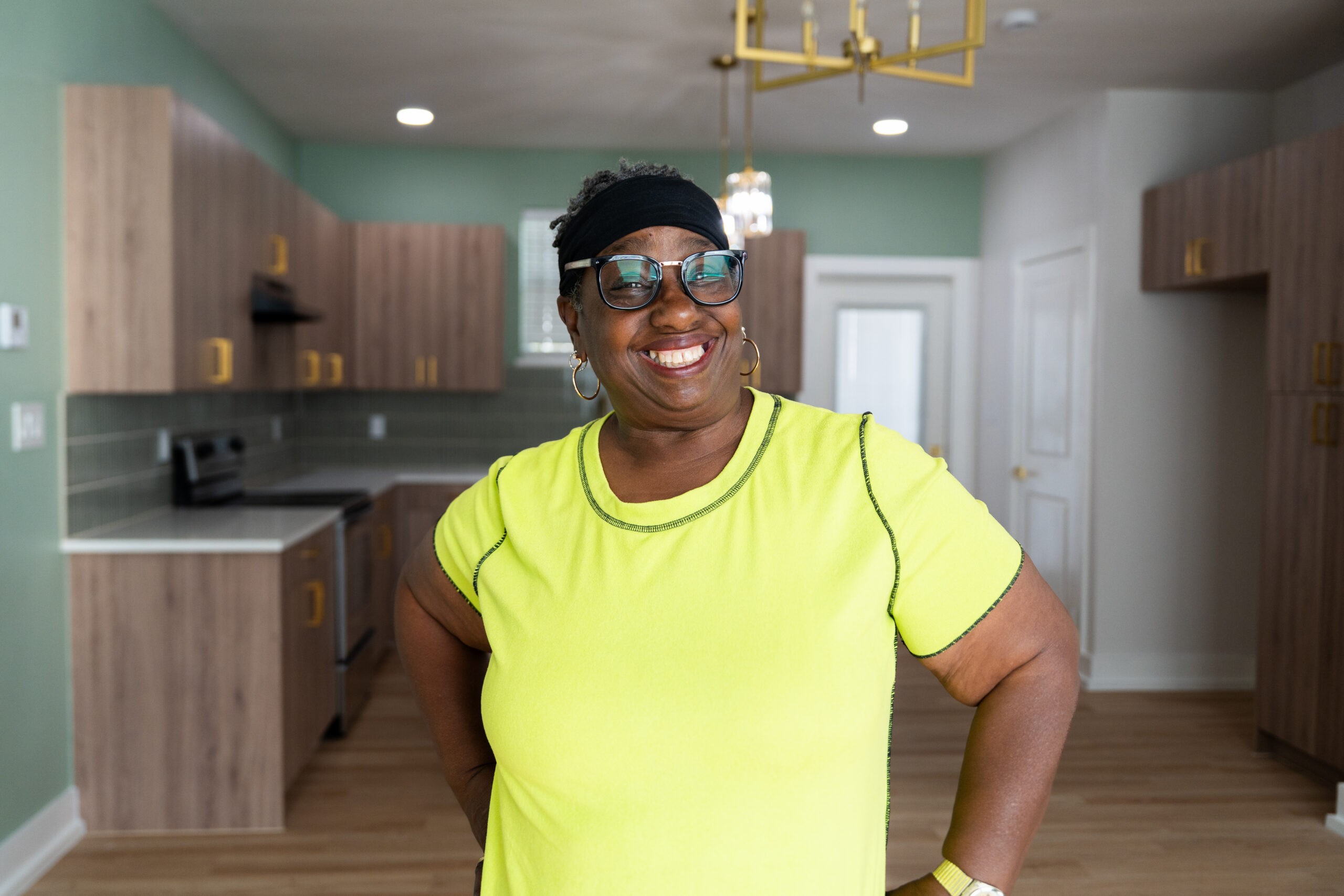
I clearly remember this conversation with Shanay Wise, a South Dallas neighbor who has worked with Dallas Free Press on many fronts, currently as our sponsorship coordinator. We were in the thick of our series on food apartheid, a partnership with the Dallas Morning News supported by Solutions Journalism Network.
Wise, who is a caterer and grows some of her own ingredients, is not against gardening. But she, like many South Dallas residents, are tired of asking for grocery stores and being told that maybe they should start a community garden.
Many such gardens exist in South Dallas. We’ve written about several of them, and we’ll soon publish another piece examining the current community garden landscape. They can provide some sustenance in the form of healthy produce, but they’re mostly used to educate city-dwelling children who may not be familiar with plant life cycles and agriculture techniques.
What they cannot do is replace the grocery stores South Dallas residents are still asking for.

The first story we published in the food apartheid series was on a new garden in the Phillis Wheatley neighborhood, right across the street from former councilwoman Diane Ragsdale’s residence. She stood outside watching as volunteers placed plants in the ground. I asked for her thoughts, and she expressed delight to see the vacant lot come to life.
“But this isn’t a solution,” Ragsdale told me. “It’s survival.”
Her reference was to the Black Panther Party’s efforts to feed children breakfast — a response to inequitable systems that was meant to be a stopgap, not a permanent fix. Similarly, community gardens are a supplement, not a solution.
It’s telling that Bonton Farms, widely known for its bountiful garden, recently partnered with Kroger in an effort to give neighbors access to the groceries they want and need. In their attempts to solve food insecurity in South Dallas, Bonton Farms’ latest move acknowledges that on its own, not even the most celebrated urban garden can close the gap.
Bright spots exist. Two years ago Cornerstone opened the profitable South Point Market near Martin Luther King Boulevard. Last year Bridge Builders opened a “client choice” food pantry in Bonton. Not to mention the dozens of South Dallas churches and nonprofits who for years have fed the hungry with boxed groceries and hot meals.
But with the recent closure of Save-A-Lot, Fiesta is the last corporate grocer standing in South Dallas. Kroger is offering grocery delivery but says it’s not financially viable to have a footprint in South Dallas. H-E-B’s Joe V’s and El Rio Grande Latin Market will be close, but still too far for neighbors to easily frequent.
This will leave much of South Dallas far enough away from a grocery store that the USDA defines it as a “food desert.”
As we launched the food apartheid series three years ago, our Solutions Journalism Network editor cautioned, “Community gardens won’t save the world.”
She was right. We’ve covered a lot of survival efforts since then, but we’re still pressing for needed solutions.
Share This Story, Choose Your Platform!

Keri Mitchell has spent 20+ years as a community journalist, including 15 years dedicated to community and civic journalism at Dallas’ Advocate magazines. She launched Dallas Free Press in early 2020 with the belief that all neighborhoods deserve reporting and storytelling that values their community and holds leaders accountable.
Mitchell says she is energized by “knowing our work is making an impact — listening to people, telling their stories with strong narratives paired with compelling data that leads to change. I also love spending time in our neighborhoods and with our neighbors, learning from them and working to determine how journalism can be part of the solution to their challenges.”
Mitchell is proud to be the winner of multiple awards during her journalism career including: Finalist in Magazine Feature Reporting (2018) and Finalist in Magazine Investigative Reporting (2017) from Hugh Aynesworth Excellence in Journalism, Best Feature Story (2011) from Texas Community Newspaper Association and Best Magazine Feature (2011) from Dallas Bar Association Philbin Awards.
Areas of Expertise:
local government, education, civic issues, investigative and enterprise reporting
Location Expertise:
Dallas, Texas
Official Title:
Founder + executive director
Email Address:
keri@dallasfreepress.com