Las mujeres poderosas: How La Bajada’s women built a legacy of organizing

News Based on facts, either observed and verified directly by the reporter, or reported and verified from knowledgeable sources.
News Article Article pages that do not meet specifications for other Trust Project Type of Work labels and also do not fit within the general news category.
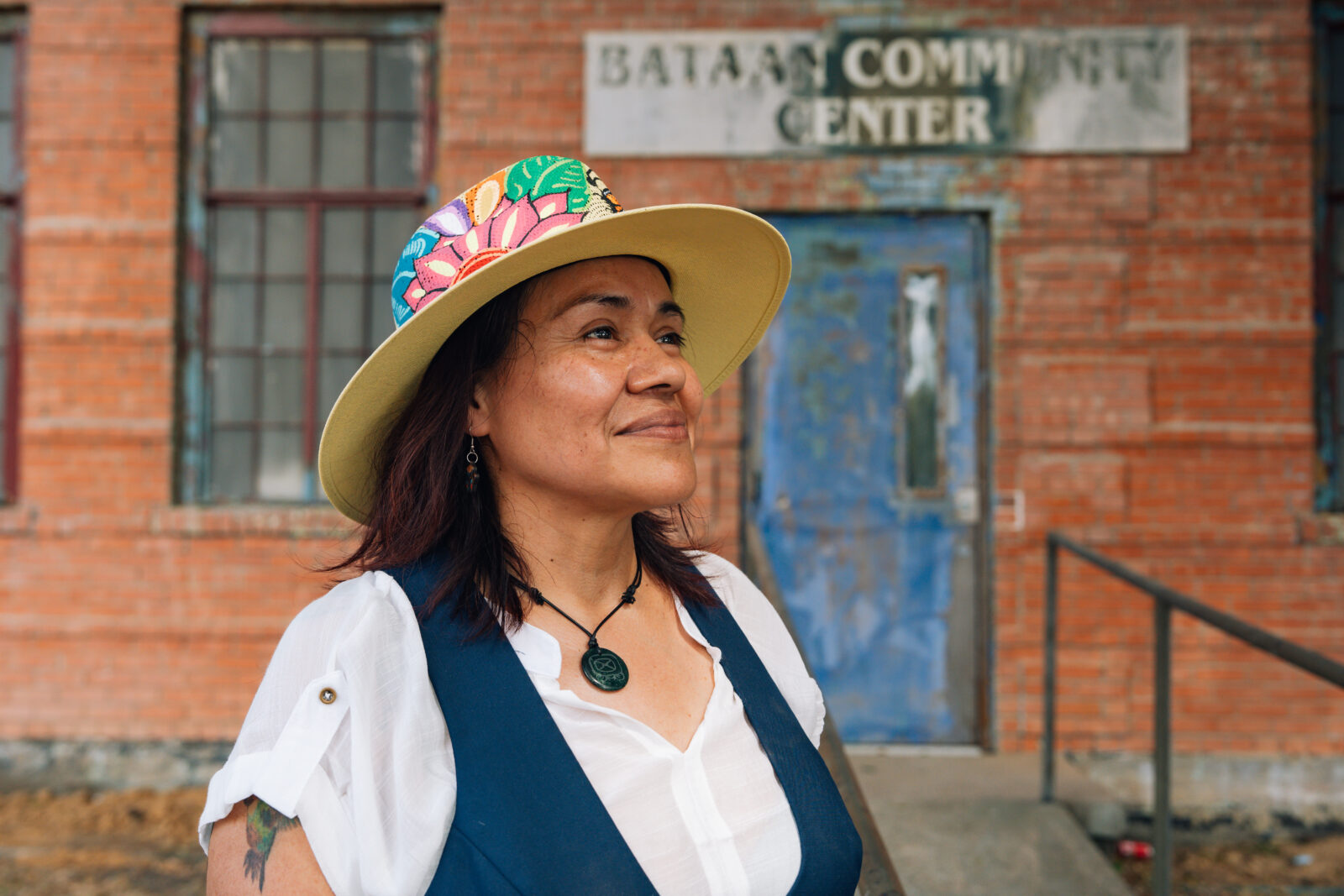
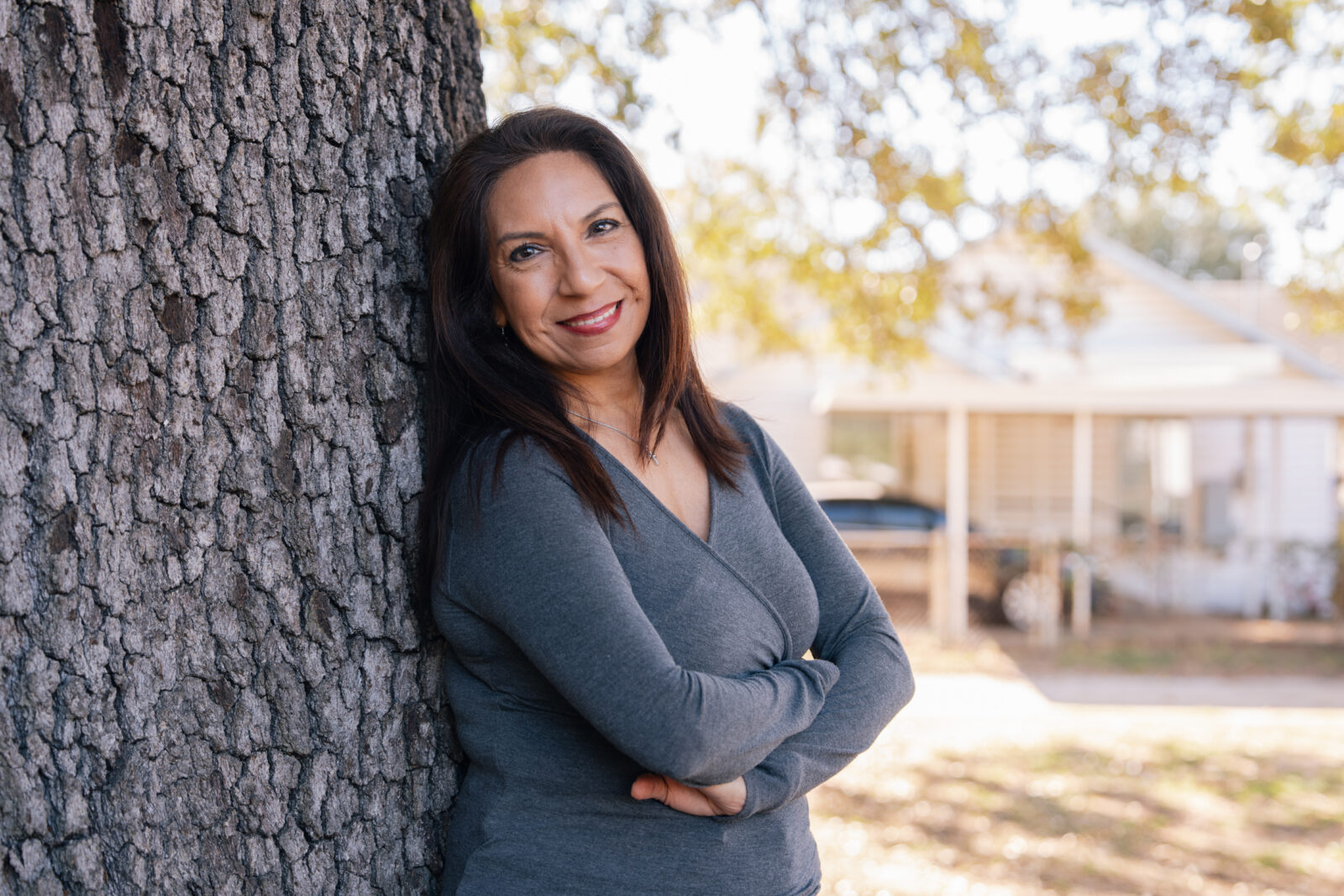
Gloria Ardilla’s earliest memory of La Bajada, the oldest remaining historic Mexican American neighborhood in West Dallas, is staring up at the streetlights that stood watch over Herbert Street.
“It was 1985, I was 5 years old and we were just arriving here from Mexico. I had never seen anything like it.”
Across Herbert Street from her family’s home stood the Bataan Center, a place that was central to Ardilla’s childhood and, decades later, became part of her life’s work. At that point, she did not know the building as more than a recreation center. She discovered in time that it was the place where generations of La Bajada residents learned how to gather, organize and protect one another.
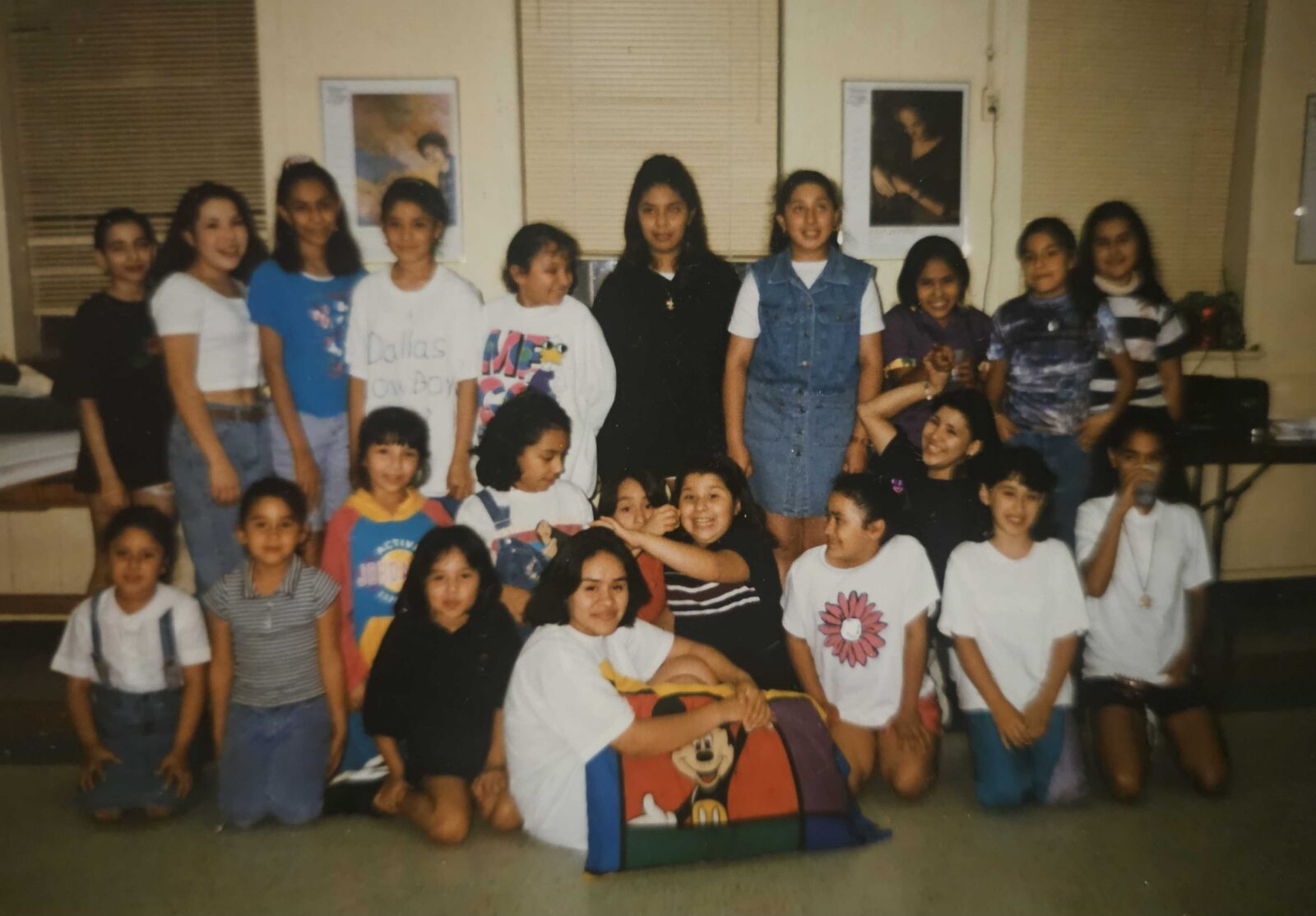
For Sylvia Rodriguez Lagos and Maria Lozada Garcia, whose families had lived in La Bajada for generations, Bataan was a second home long before Ardilla’s family arrived. They recall a neighborhood shaped by close relationships, shared meals, church groups, youth programs and, primarily, women who knew how to turn everyday care into community power.
In La Bajada, advocacy was inherited before it was formalized. Civic education unfolded behind the Bataan Center’s doors for generations.
The neighborhood’s history of advocacy did not begin with formal meetings. Women in the community were connected through the Guadalupanas, a Catholic women’s group at St. Mary of Carmel in West Dallas. Family networks taught one another how to care for children, protect neighbors, organize health care, and later show up at Dallas City Hall to defend the neighborhood from erasure.
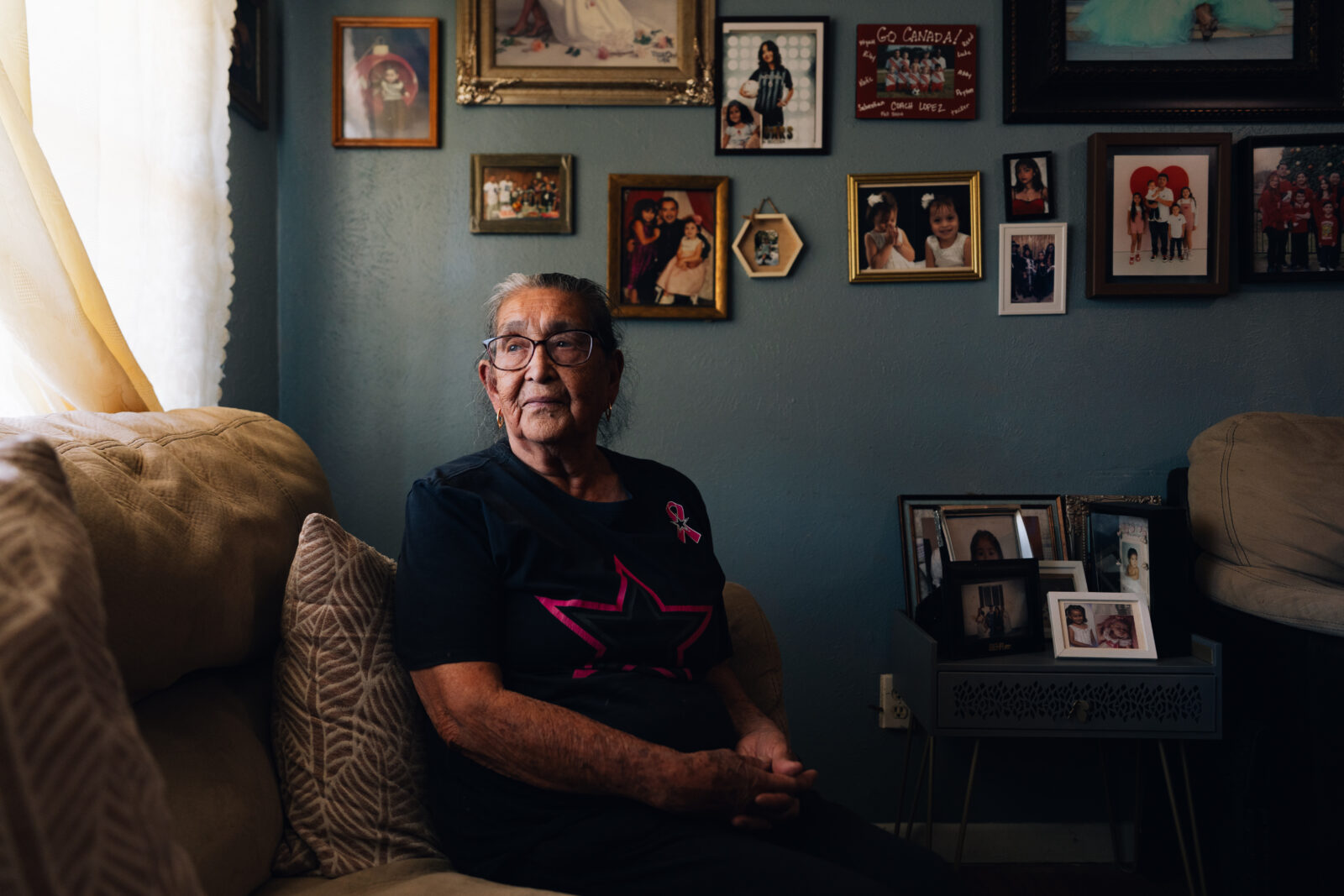
Many of those women included mothers, grandmothers and neighbors such as Maria Luz Lopez, Ardilla’s grandmother, who was welcomed into the circle by the other neighborhood women.
Ardilla inherited that tradition as a child growing up across from Bataan. Now, decades later, she is helping restore the same center that once gave her a sense of safety and belonging. Her story traces a lesser-known history of La Bajada: one shaped not only by public fights at city hall, but by women and immigrants who organized behind-the-scenes through faith, food, family, culture and care.

Organizing as protection
In the late 1960s and early 1970s, West Dallas neighborhoods were separated from much of the city by the Trinity River and shaped by decades of disinvestment. Many Mexican American families faced limited access to transportation, Spanish-speaking language services and medical care.
For families in La Bajada, the lack of a local clinic was felt deeply. West Dallas residents suffered from environmental hazards, such as substandard housing and industrial pollution from factories. These hazards added to health risks that residents were navigating.
As a teenager, Sylvia Rodriguez Lagos had a front-row seat to watch her community unite against these conditions. Rather than name one person as the teacher who shaped her understanding of advocacy, she credits the collective strength of women around her.

“I was exposed to politics because of the women that were fighting to get the neighborhood’s first health clinic,” Rodriguez explains. “I was there for the inception of it all. That was instrumental in the shaping of who I am, because I was exposed to outside activities out of my world of La Bajada.”
One of those women was Josephine Torres, who began working with young people at West Dallas Community Centers in 1968 and became director of the Bataan Center in 1975. A 1995 Texas Senate resolution honoring her retirement recognized her 27 years of service to the organization and the larger West Dallas community. Torres also was a founding member of Los Barrios Unidos Clinic, connecting her work with neighborhood youth to the broader push for community health care.
At just 16, Rodriguez joined Torres on a trip to the Texas State Capitol in Austin for a National Organization for Women march.
“That was really my first exploration to advocating for our rights, and I was very fortunate. I was seeing history in the making because these women were fighting, and that’s where I get it from.”
For Rodriguez, the two experiences were connected. Her time in Austin expanded her sense of what women could demand. The clinic, once established, showed her what women could build — how organizing could lead to funding for something like health care access in their neighborhood.
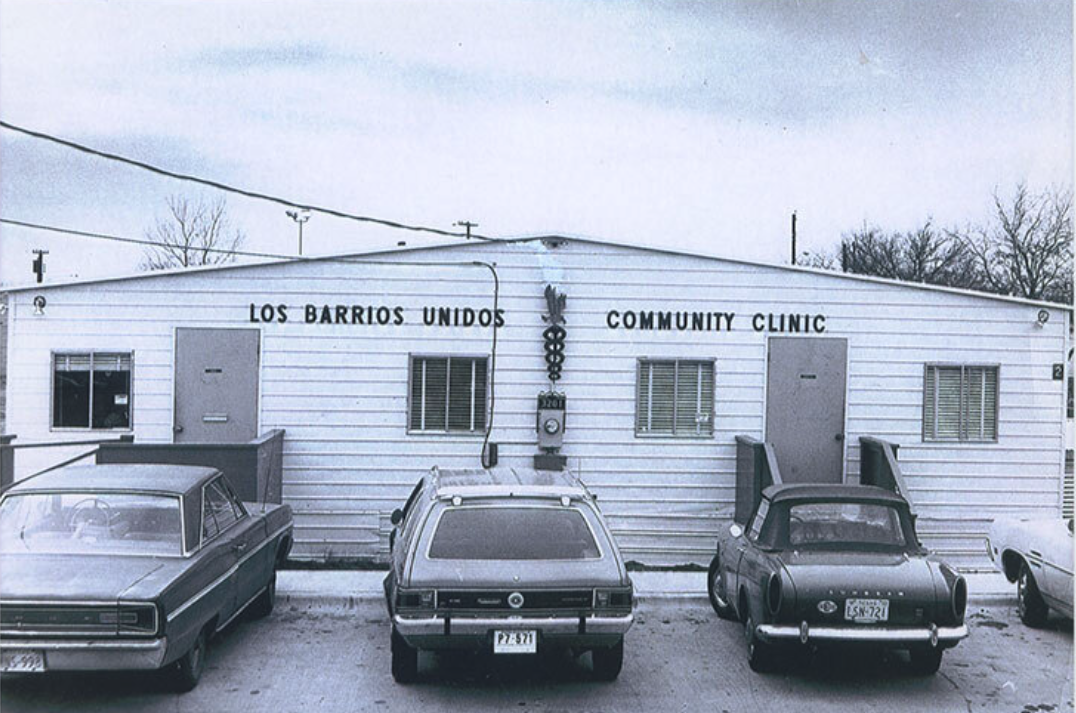
Los Barrios Unidos Community Clinic opened its doors in 1972 in a white trailer on Herbert Street. It was managed through volunteer doctors, bilingual nurses and neighborhood organizers, and quickly became essential to the lives of La Bajada neighbors.
For Rodriguez, the win was also personal because her mother worked at the clinic, running day-to-day operations. Today, Los Barrios Unidos has expanded into a full-scale Federally Qualified Health Center. It serves tens of thousands of patients across West Dallas and Oak Cliff — continuing the legacy of the grassroots organizing of Latina women in West Dallas.

Advocacy as something taught
The fight for the clinic was not the only place where residents learned how to organize.
For Maria Lozada Garcia, advocacy began at home. Her family moved to La Bajada in 1961, shortly after West Dallas was annexed into the City of Dallas in 1954. Her grandparents’ roots stretch even deeper in Dallas. They immigrated in 1914, with her grandfather working as a migrant cotton worker before settling in West Dallas.
Lozada Garcia grew up watching her parents participate in neighborhood efforts. One of her earliest experiences was the establishment of Pueblo Park at 3226 Bataan Street.
“We lived right across from what is now the park,” Lozada Garcia remembers. “My mom always wanted to see the big open field as a park for the neighborhood kids with amenities like a swimming pool or a tennis court.”
From there, Lozada Garcia says her mother began working with Mrs. Torres and other neighbors to get petitions signed and advocate for the park.
The lessons were practical: see a need, gather neighbors, collect signatures, talk to City officials, keep moving forward. Seguir adelante.
For Lozada Garcia, the Bataan Center was where those lessons became part of daily life. She and the other women recall preschool, piano lessons, field trips, meals, playing and more.
“It was my second home,” she says. “We lived next door, so we would go there every day.”
The relationship between the center and the nearby families was close enough that staff knew which neighbors to call when something was needed. For Lozada Garcia, that kind of closeness helped shape generations of children.
“Every kid had, you know, 10 mothers or 10 fathers,” she says with a laugh. “Mrs. Torres and all the workers at the Bataan Center really shaped and helped mold who I am — alongside my parents, of course.”
Years later, Lozada Garcia left West Dallas to pursue college in Oklahoma. She returned in 2015, ready to step more fully into neighborhood activism. She served as the president of the La Bajada Neighborhood Association (LBNCA) for five years, from 2016 to 2021.
“That’s where my activism really kicked in,” she says. “The threats facing La Bajada looked different from the ones earlier generations had organized against.”
The fight to stay in La Bajada
By the time Lozada Garcia — and later, Rodriguez Lagos — stepped into formal neighborhood leadership as president of the LBNCA, La Bajada was under a new kind of pressure.
Earlier generations had organized for fundamental services and infrastructure: a clinic, a park, paved roads, youth programs, and places where families could gather. The newer fights over the last 10 years have focused on whether the longtime neighbors will be able to continue living in the neighborhood.
Rising property taxes, new construction, and the branding of nearby entertainment developments such as Trinity Groves have begun to change how La Bajada is known and remembered. Lozada Garcia said that one of the things that frustrates her most is seeing maps, articles and public references erase the neighborhood’s name.
“Now, they don’t even mention communities like La Bajada,” she says. “Now, it’s referred to as ‘Trinity Groves area.’ ”
To Lozada Garcia, Lagos Rodriguez and Ardilla, that erasure is significant because the name carries the history. In Spanish, “La Bajada” translates to “the descent” or “the lowland,” which was the name chosen by early Mexican American families in the 1920s and ’30s to describe their neighborhood tucked into the Trinity River floodplain.
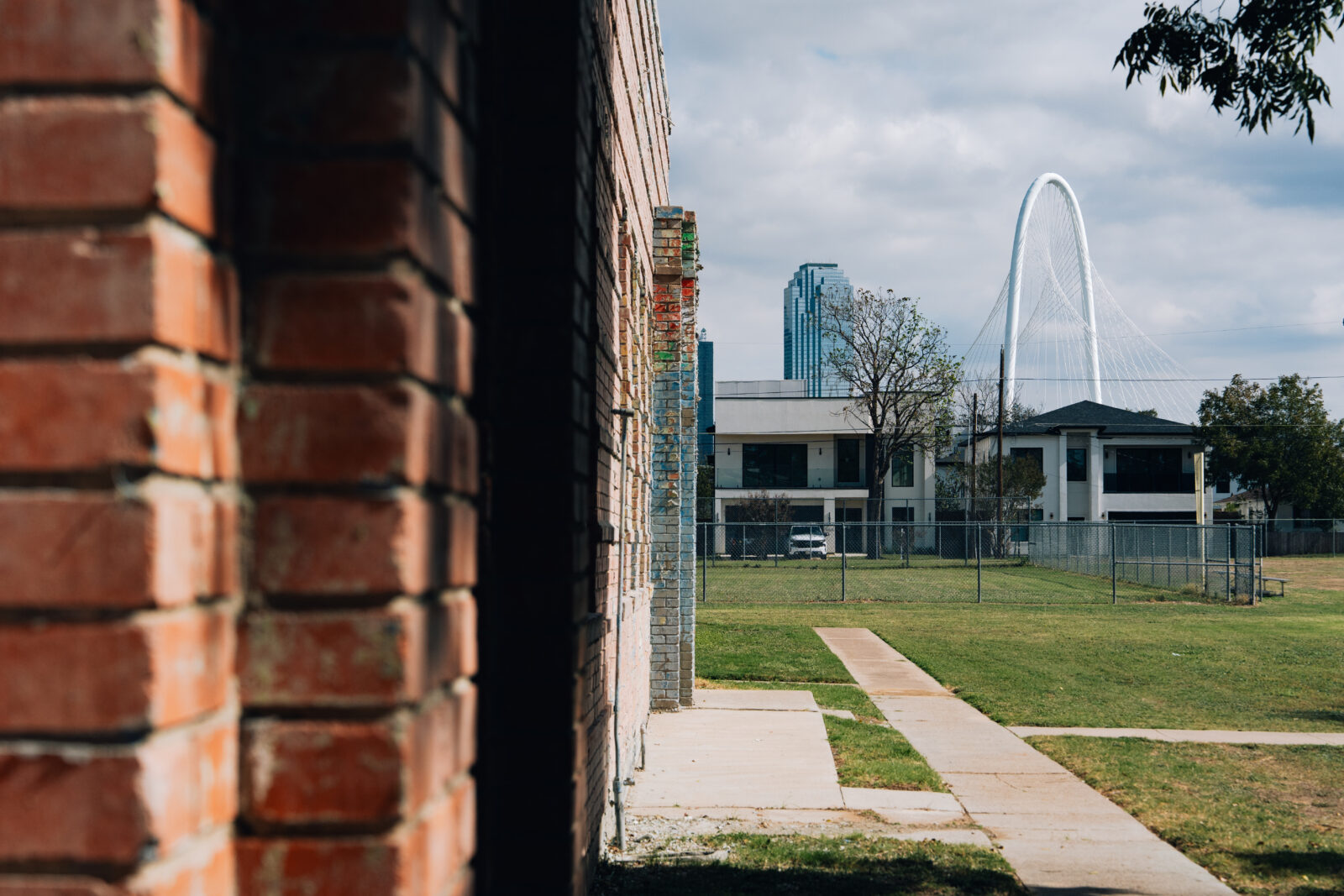
In their opinion, rebranding “La Bajada” to “Trinity Groves” wipes away a century of working-class Mexican American identity and experiences. The struggle is not just symbolic, however; it also is tied to the way longtime residents feel pressure to defend their homes.
“Those of us who remain, we still fight,” Lozada Garcia says.
That fight has taken different forms in recent years. Residents successfully organized for a Neighborhood Stabilization Overlay (NSO), blocked incompatible rezoning to allow a 400-foot tower, implemented a neighborhood crime watch and organized against other efforts they believed were not in the best interest of neighbors.
Rodriguez Lagos sees these protests as part of a longer history of City decisions that have shaped what West Dallas communities could become.
Her own family’s roots in La Bajada also go back generations. Her great-grandfather, she says, owned a bar on Singleton Boulevard called El Gato Negro, near where Trinity Groves stands today. The business closed after a 1956 election restricted alcohol sales in West Dallas and other neighborhoods south of the Trinity.
“The City has really done some injustices to our community historically,” Rodriguez Lagos says. “They have never really been involved and cared about the community until they decided there was money to be made.”
Rodriguez Lagos, the most recent president of LBNCA, is focused on helping the current president and younger residents learn how to keep advocating for the neighborhood — “to actually teach them how to fight,” she says. “Meaning fighting injustices, how to navigate City Hall, and knowing who to call when they need something.” Lozada Garcia also still serves on the board.
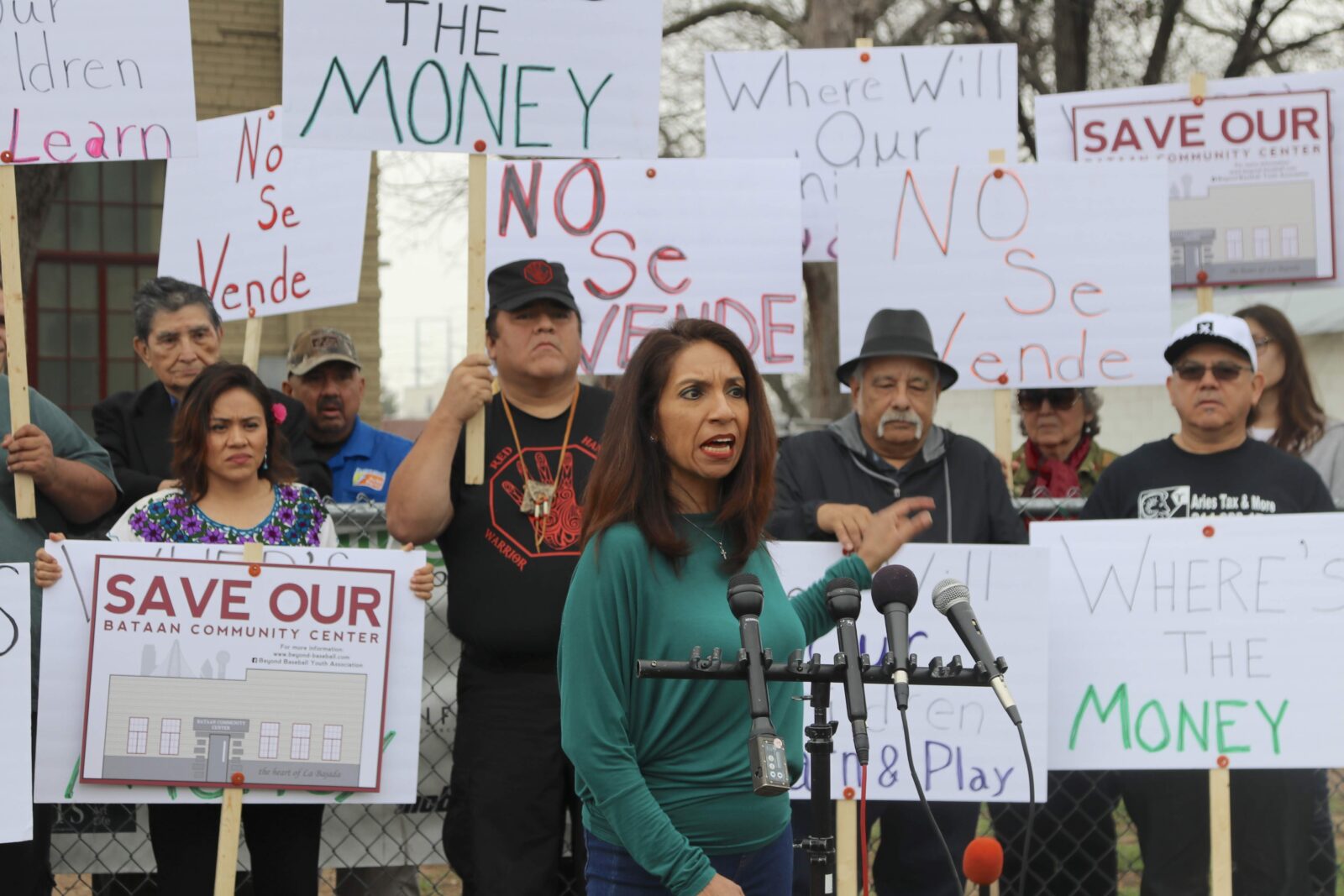
For Rodriguez Lagos, the urgency comes from knowing that the older generation cannot keep carrying the work.
“I know I’m not going to be there forever,” she says. “One of the things that I really feel that needs to happen is that we have the knowledge and the experience needed to pass it on, so that these new generations continue to fight. And hopefully they pass it down.”
In more ways than one, that plan is already in motion.
Ardilla is now leading the effort to bring the Bataan Center back to life. In 2020, she founded the Josephine Torres Culture and Community Center (JTCCC) in homage to Mrs. Torres, with the goal of returning local ownership of the Bataan Center to La Bajada and revitalizing the building and property. The building had sat vacant and in disrepair since 2018, switching between different nonprofits and the City’s hands before ultimately ending up back with Ardilla and the community.
“I never thought that I would be the person sitting here responsible for restoring it and bringing it back to the community. It’s been an honor to do that. I still see myself as a 5-year-old kid on that field, just wondering what all this was about,” Ardilla says, motioning to the center from the center’s new Unity Pavilion, which was unveiled in May 2026.
Now, she says it’s almost like looking at the center for the first time again. She sees all the potential it has to give to other neighbors as well.
“Baatan is the fuel, the muse that gave us all a voice. I hope the future generations remember that this community fought so hard for this to be here, for us to have what we have here,” Ardilla explains. “This has been a celebration of pride, our culture, our struggles, and I hope that they honor that and that they value it. And that they take part in it, because the Bataan is here for everyone.”
Editor’s note: Gloria Ardilla is Dallas Free Press’ operations, programs and finance director, in addition to her role as the executive director of the Josephine Torres Cultural and Community Center. The two organizations have a memorandum of understanding (MOU) that link their operations in ways that mutually benefit the organizations and the West Dallas community.
Share This Story, Choose Your Platform!

Jennie is a first-generation journalist, educator, and community builder passionate about equitable access to information and storytelling. Her career spans classrooms and newsrooms: she began as a dual-language teacher in Dallas ISD through Teach for America and later led citywide journalism initiatives with the Dallas Media Collaborative. She has also mentored emerging journalists and led youth programs that blend media literacy with life skills. At Dallas Free Press, she oversees content strategy and partnerships that center community voices and make civic systems easier to navigate.