Video: West Main Street once was home to a thriving community. What comes next?

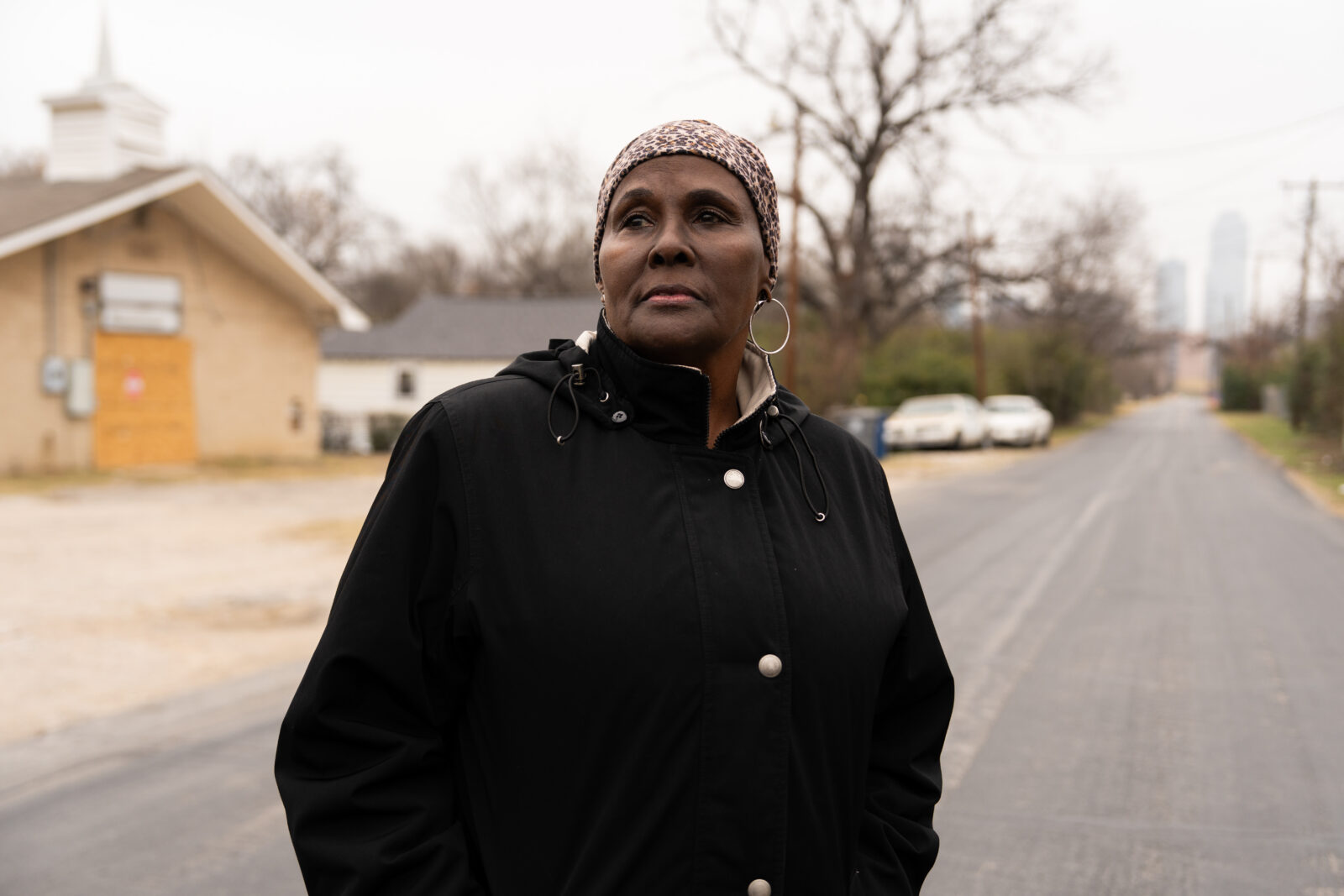
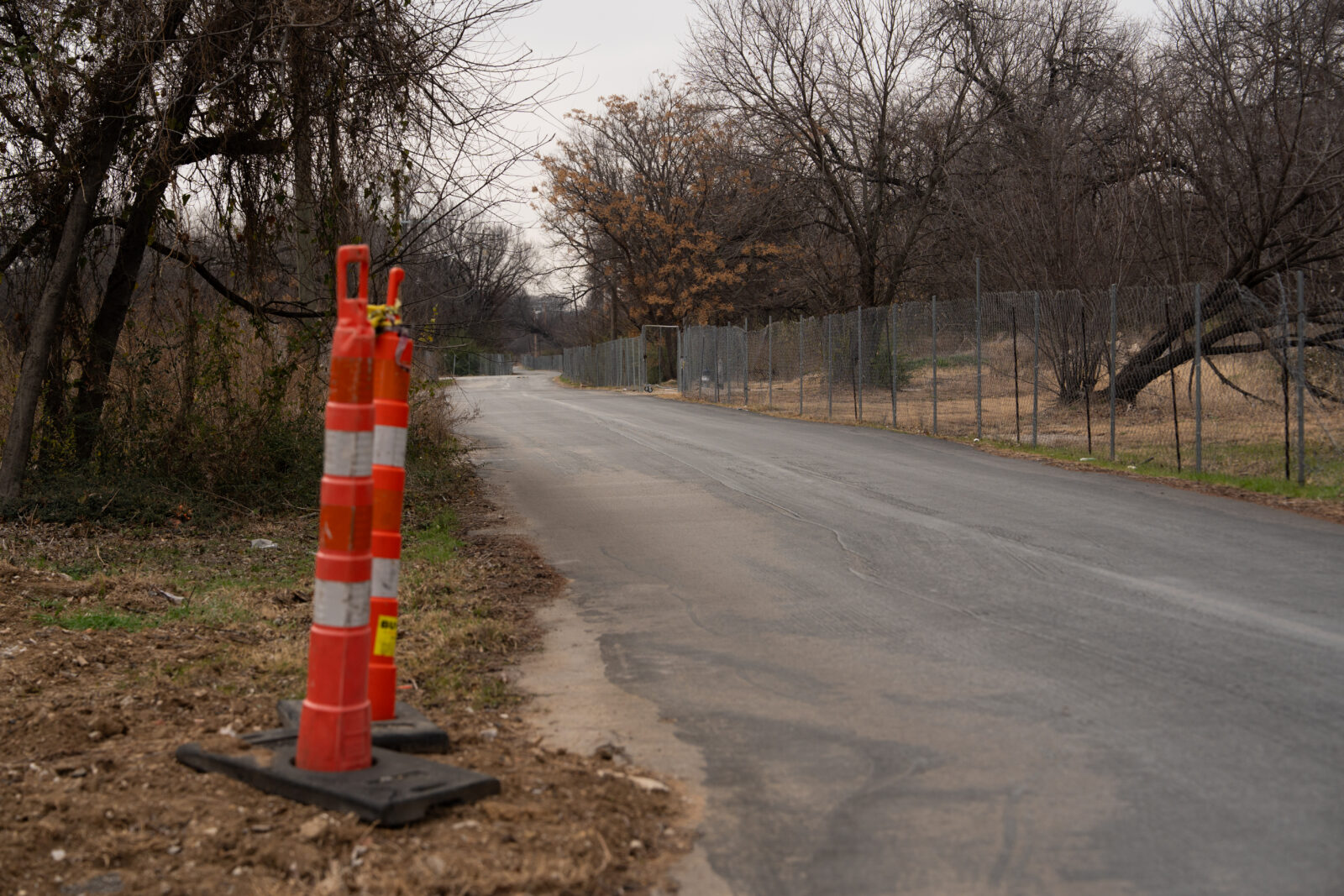
Paula Hutchison remembers when the children in her neighborhood would gather together and make wooden stilts and call them “Tom walkers.” They would race up and down West Main Street.
“It was always fun growing up here,” she recalls.
Hutchison is a retired Navy Veteran whose family built her childhood home in 1945. Her sister still lives there. It’s one of three structures that remain on West Main Street, stretching from North Beckley Avenue to Yuma Street, just west of the Trinity River.
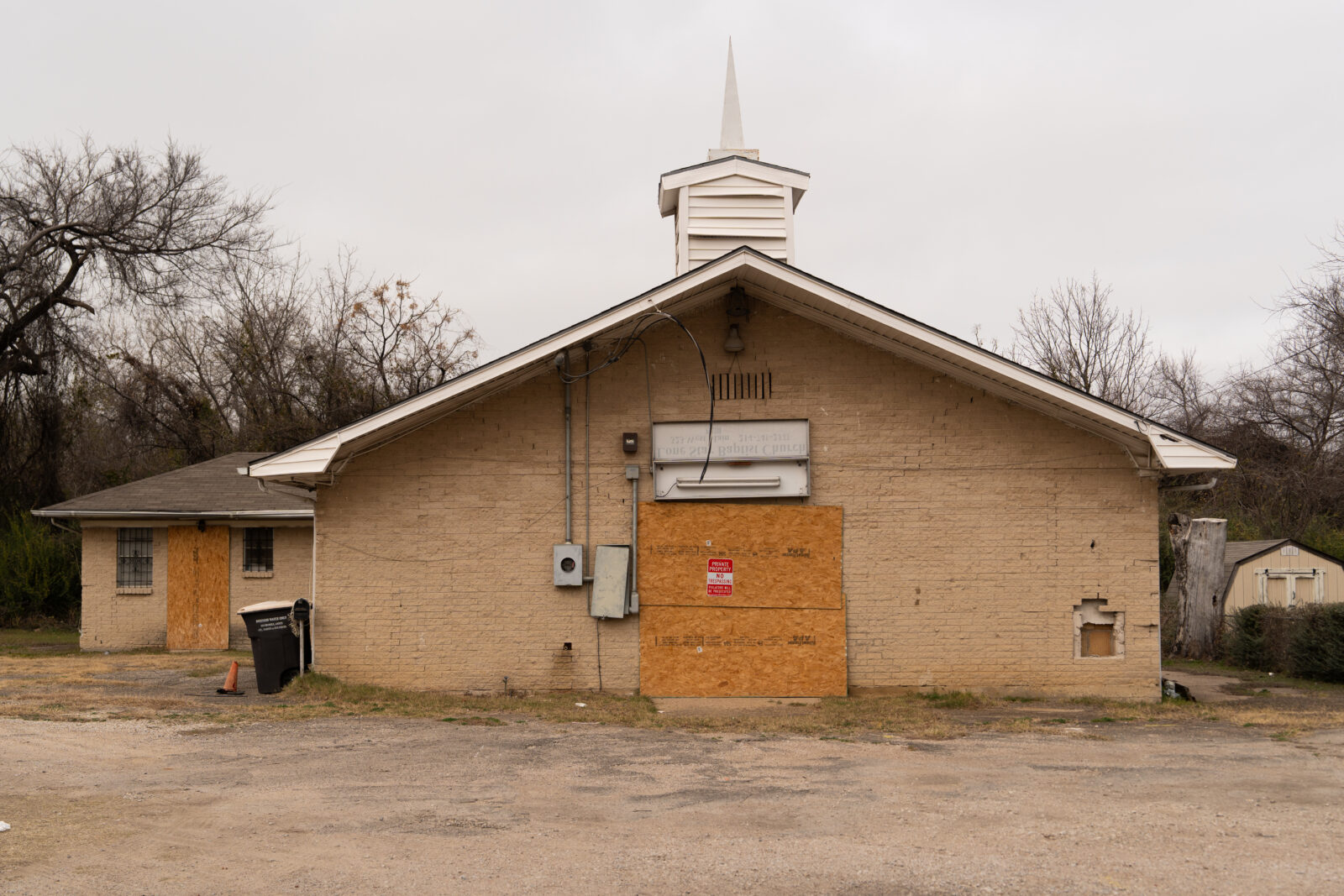
What was once a thriving Black community along a single road has disappeared. The other remaining structure is a vacant white house; next to it stands the legacy building of the Lone Star Missionary Baptist Church, which will be demolished now that its congregation has moved 11 miles south to University Hills near UNT Dallas.
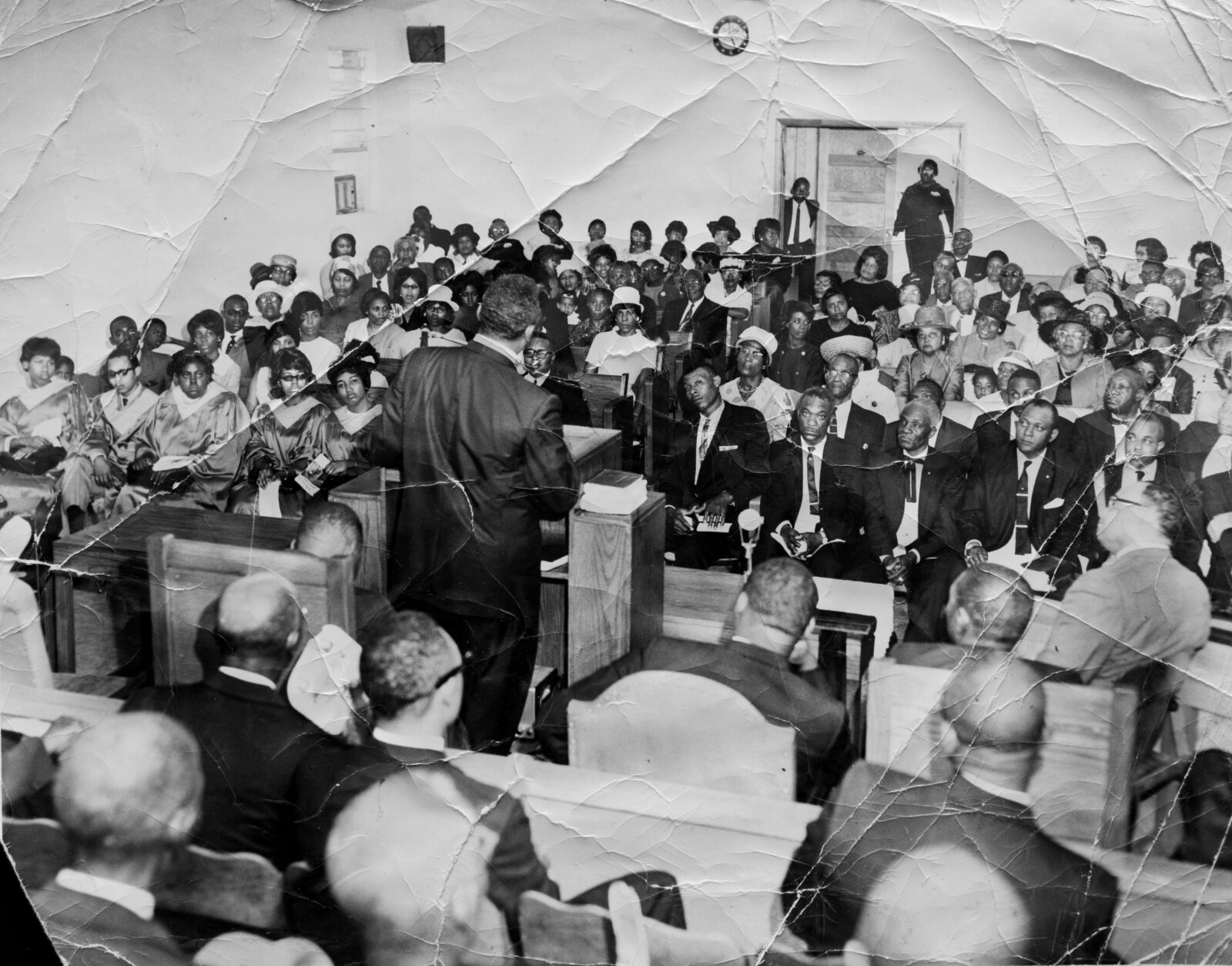
The decline of West Main’s population started during the Civil Rights Era, according to a buildingcommunityWORKSHOP history booklet based on West Main research and oral histories. During that time, residents were interested in moving into newer houses and bigger communities, like Oak Cliff. By the 1980s, half of the neighborhood’s original residents had passed away. Some property owners began tearing down their homes instead of maintaining them, and little investment was made into the neighborhood.
Like many West Main residents, Hutchison grew up as an active member of the Lone Star Missionary Baptist Church. Until this day, she still is.
In 2023 the church sold its property to Trinity Park Conservancy’s Community Development Corporation, and used the proceeds to purchase a new building on University Hills Boulevard in southern Dallas.
Michael Young, who chairs the Trinity Park Conservancy Community Development Corporation, says that they began purchasing land along West Main Street in February 2022 and continued until the first quarter of 2026, amassing roughly 15 acres of the both sides of the street in those four years.
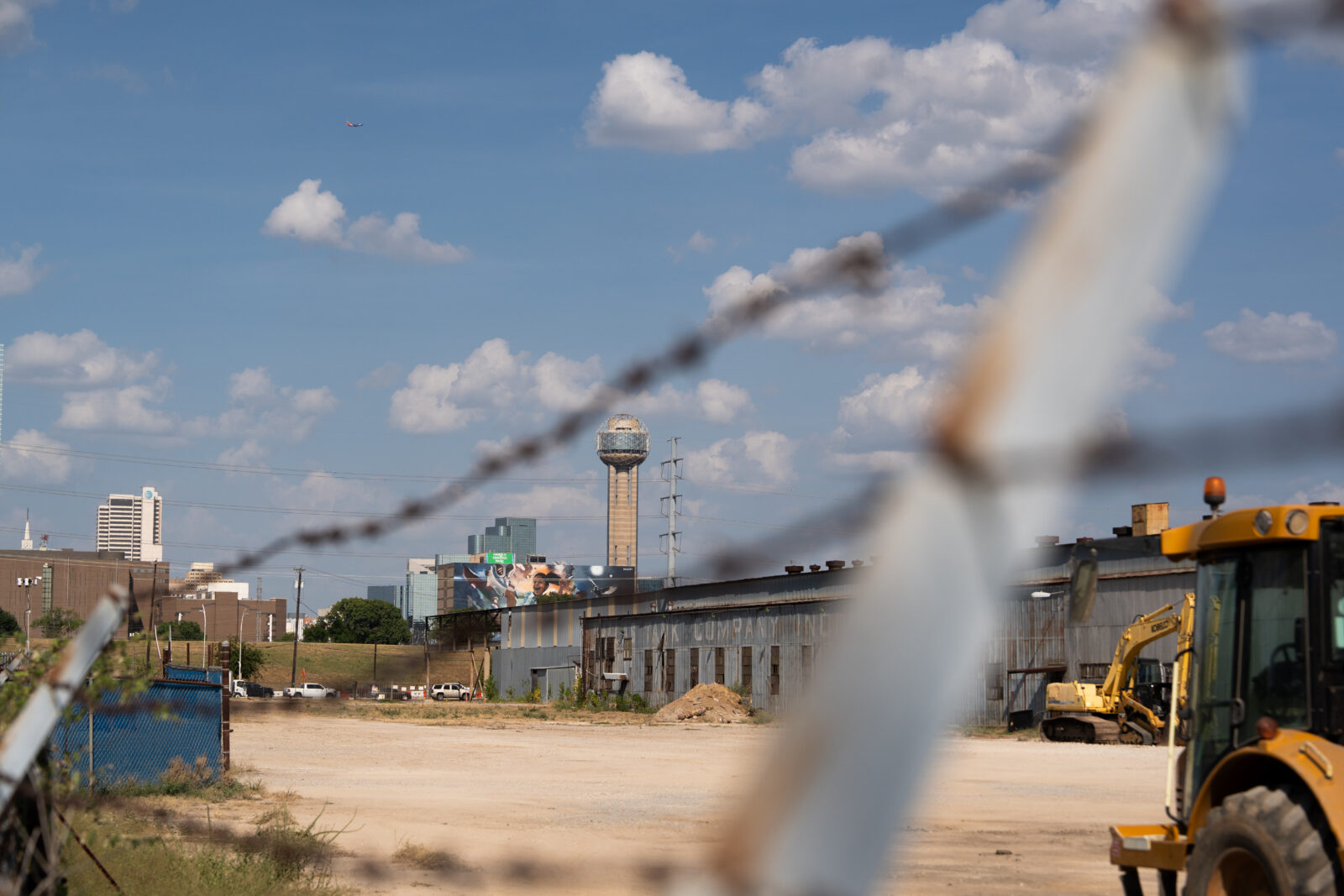
The conservancy’s plan is to incorporate West Main Street into the ‘West Overlook’ of Harold Simmons Park, which will be a 250-acre urban park along the Trinity River.

Share This Story, Choose Your Platform!

Prior to joining the Dallas Free Press as a visual journalist, Camilo Diaz Jr. was a video intern at KERA, the NPR and PBS member station for North Texas, where he developed a deep appreciation for video production. He also worked as a multimedia fellow at the Fort Worth Report, covering local news in his hometown. As a teenager, he began documenting his community and identity through photography, leading him to the world of photojournalism. He went on to earn a bachelor’s degree in journalism with a concentration in photojournalism from the University of North Texas.
Beat: Visual and multimedia approach to capturing community and civic life
The images of our communities that appear in local news media are mostly of crime and blight, which doesn’t at all reflect their beauty and assets. This visual journalist sees neighbors and captures community and civic life in all of its facets. The journalist is a multimedia reporter with a photographic eye, who has the skills to meld images, video and audio for storytelling, and the desire to reach under-covered audiences.